
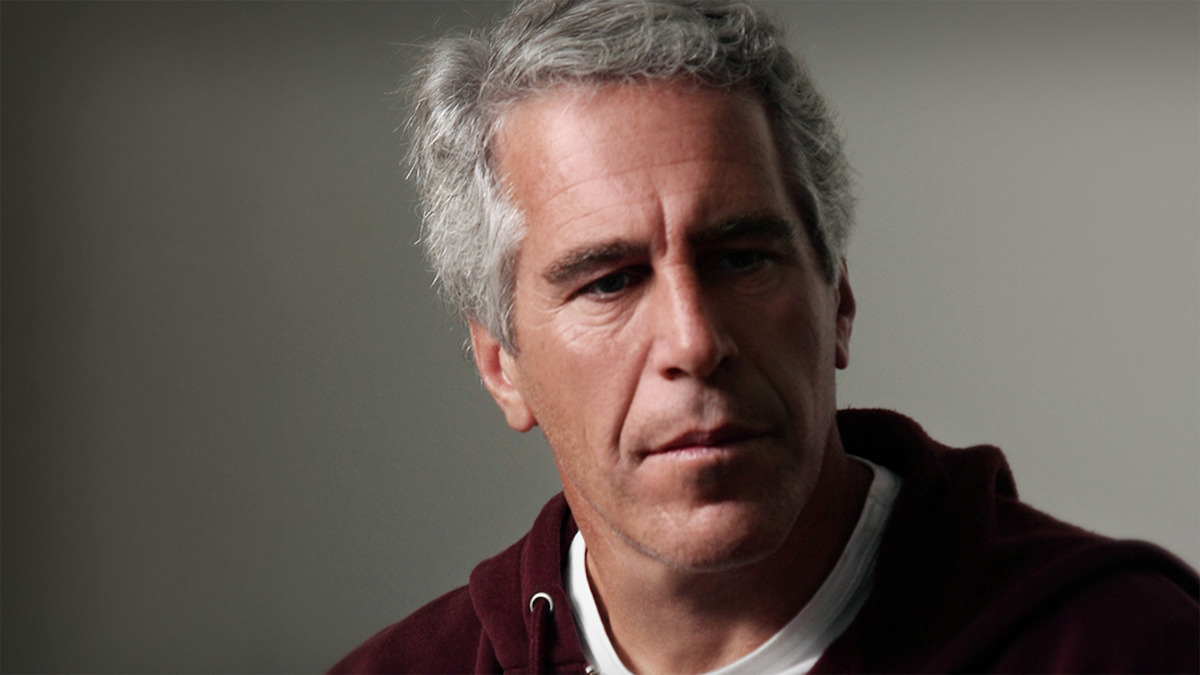
Jeffrey Epstein (1953–2019) was an American financier who became infamous as a convicted sex offender and sex trafficker with a vast network of wealthy, powerful people in the U.S. and internationally.
Jeffrey Epstein’s Career in Finance and Connections to the Global Elite
Jeffrey Epstein’s rise in the world of high finance was closely tied to his ability to gain access to the rich, powerful, and influential elite of New York and beyond. His career trajectory—from Wall Street insider to billionaire adviser—was marked by ambition, controversy, and unanswered questions that later became central to investigations into his personal life and criminal activities.
Early Career at Bear Stearns and First Red Flags
Epstein began his financial career at Bear Stearns, one of Wall Street’s most prominent investment banks at the time. As he climbed the corporate ladder, he mixed with some of the wealthiest figures in global finance. However, warning signs emerged early. According to reports from The New York Times, Bear Stearns questioned Epstein on several occasions for misrepresenting his educational background and for misusing company funds, including charging expensive jewelry purchased for a girlfriend to the firm.
Despite these concerns, Epstein’s reputation initially remained intact. In 1980, at just 27 years old, he was featured by Cosmopolitan magazine as “Bachelor of the Month,” and Bear Stearns elevated him to the position of limited partner—a rare achievement for someone his age.
The following year, however, Bear Stearns launched an internal investigation to determine whether Epstein had violated U.S. Securities and Exchange Commission (SEC) regulations. Although Epstein denied any wrongdoing and expressed outrage at the inquiry, he was suspended and fined. Soon after, he resigned from the firm, effectively ending his Wall Street career.
Reinvention as a Financial “Fixer” for the Ultra-Wealthy
After leaving Bear Stearns, Epstein reinvented himself in the early 1980s. Associates described him as a financial “bounty hunter” who specialized in recovering lost or stolen assets for ultra-wealthy clients. This niche proved highly lucrative. By 1984, Epstein had become a millionaire, transitioning from former broker to private financial operator serving elite clients.
His growing wealth allowed him to maintain influence within New York’s high society. Art collector Stuart Pivar later remarked that Epstein possessed a striking personal magnetism, particularly when engaging with the families—and daughters—of powerful men. This social charisma helped Epstein remain embedded in elite circles despite his lack of transparency about how he generated his wealth.
Entry into Elite Cultural and Financial Circles
In 1987, Epstein joined the board of the New York Academy of Art, founded by Stuart Pivar and legendary artist Andy Warhol. This role further solidified his standing among influential figures in art, finance, and academia.
The pivotal moment in Epstein’s financial ascent came in 1988, when he founded J. Epstein & Company, a private financial consulting firm that catered exclusively to individuals with a net worth exceeding $1 billion. The firm had a single dominant client: billionaire retail magnate Leslie H. Wexner.
Wexner, founder of a global retail empire that included Victoria’s Secret, Bath & Body Works, Abercrombie & Fitch, and Lane Bryant, entrusted Epstein with extensive control over his finances. This relationship lasted nearly 20 years and played a critical role in transforming Epstein into an extraordinarily wealthy and influential figure.
Real Estate Empire and the U.S. Virgin Islands
By the 1990s, Epstein began operating much of his business from St. Thomas in the U.S. Virgin Islands, a well-known tax haven. Nearby, he owned the private island of Little St. James, later purchasing Great St. James as well.
Epstein also amassed an impressive global real estate portfolio, including:
-
The largest private mansion in Manhattan, purchased from Wexner
-
A luxury estate in Palm Beach, Florida
-
Properties in Paris and New Mexico
Later court testimony and photographic evidence revealed the presence of hidden surveillance cameras in Epstein’s Manhattan mansion. While their exact purpose has never been fully established, their existence raised serious concerns during subsequent investigations.
Expanding Relationships With Celebrities, Academics, and Politicians
As Epstein’s wealth grew, so did his network. Over the years, he cultivated relationships with prominent figures across entertainment, technology, academia, and politics. Individuals linked to Epstein included Michael Jackson, Bill Gates, Alan Dershowitz, Larry Summers, Noam Chomsky, and Prince Andrew, the British royal who lost his titles in 2025 following revelations about his ties to Epstein and allegations of sexual abuse.
Ties to U.S. Presidents Bill Clinton and Donald Trump
Two of Epstein’s most scrutinized relationships were with former U.S. presidents Bill Clinton and Donald Trump.
Epstein’s association with Trump dated back to the late 1980s, and the two frequently appeared together at social events. In a 2002 New York magazine interview, Trump described Epstein positively, commenting on his enjoyment of socializing and his interest in younger women.
Epstein and his associate Ghislaine Maxwell attended a 1993 White House event, where they were photographed with President Clinton. Both Clinton and Trump also signed a commemorative book for Epstein’s 50th birthday in 2003. Flight records show that each traveled multiple times aboard Epstein’s private jet, commonly referred to as the “Lolita Express.”
The Falling Out and Mar-a-Lago Controversy
The relationship between Trump and Epstein eventually deteriorated. Maxwell recruited Virginia Giuffre, then 16 years old, from Trump’s Mar-a-Lago resort, where she was working as a spa attendant. Trump later stated that this incident led him to permanently ban Epstein from the property.
Other reports suggest that their final break occurred after a high-stakes real estate dispute over a Palm Beach mansion. Trump ultimately won the property with a $41 million bid, further straining the relationship.
Criminal History
-
In 2008, Epstein pleaded guilty in Florida to procuring a minor for prostitution — a controversial plea deal prosecutors later criticized.
-
In 2019, he was arrested again on federal charges of sex trafficking minors in New York and Florida.
-
On August 10, 2019, he died by suicide in jail while awaiting trial.
Ghislaine Maxwell
Epstein’s close associate was Ghislaine Maxwell. She was convicted in 2021 for helping Epstein recruit minors for sex trafficking.
What Are the “Epstein Files”?
In late 2025 and early 2026, the U.S. Department of Justice (DOJ) was forced by federal law to publicly release millions of pages of documents, emails, flight logs, and communications tied to Epstein’s cases — collectively called the Epstein Files. This included emails with powerful figures, flight manifests from his private jet (called the “Lolita Express”), internal investigations, witness interviews, and other government material.
What’s New in the Epstein News (2026)?
1. New Documents Reveal Names of Powerful People
The DOJ has released millions of pages of evidence and communications involving Epstein and various wealthy, influential people — including politicians, tech leaders, and business figures. Some of the revelations include emails, photos, dinner invitations, and private correspondence between Epstein and those individuals
2. Indian Politician Hardeep Singh Puri Mentioned
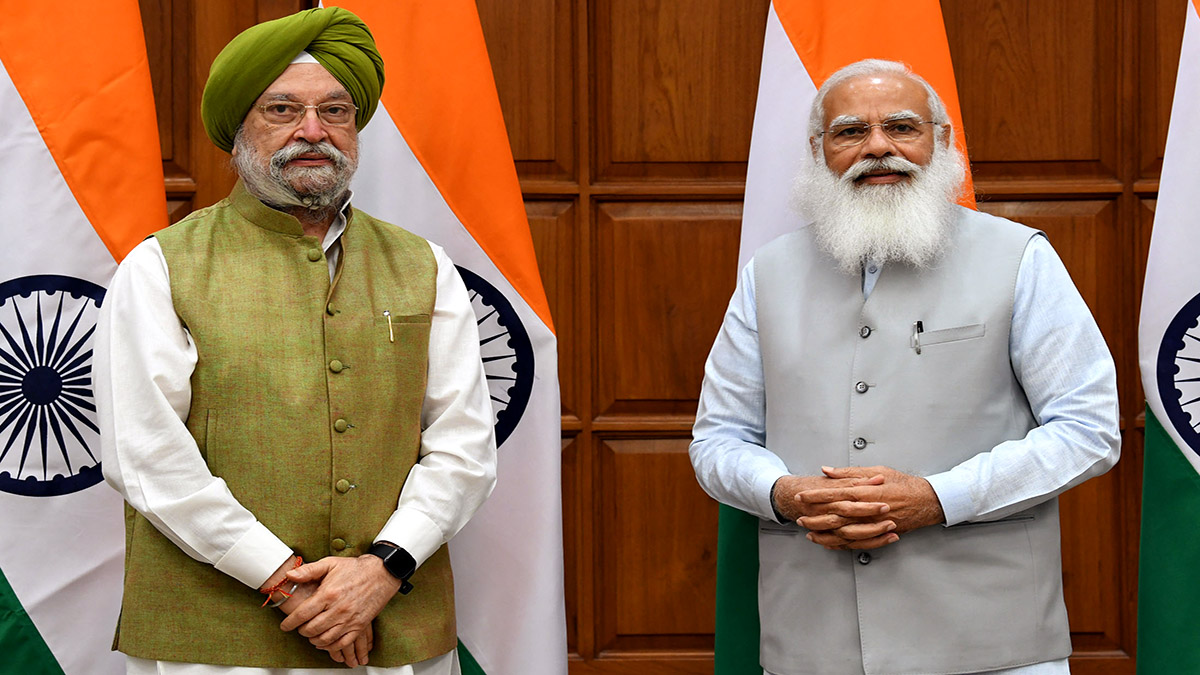
India’s Union Minister Hardeep Singh Puri admitted he met Epstein 3–4 times as part of an official delegation to the International Peace Institute (IPI). He denied any involvement in crimes or visits to Epstein’s private island.
3. Council of Europe Investigation
European officials are now being investigated over potential ties to Epstein. The Council of Europe lifted immunity from a former Secretary General, Thorbjoern Jagland, allowing a probe into his interactions with Epstein.
4. Congress Pointed to Wealthy Individuals Tied to Epstein
In the U.S., lawmakers have named several wealthy figures allegedly “likely implicated” in the files. Examples include Sultan Ahmed bin Sulayem of DP World and financier Leslie Wexner — though an accusation doesn’t equal conviction.
5. New Details on Email Exchanges with Billionaires
Emails between Epstein and Dubai billionaire Sultan Ahmed bin Sulayem revealed disturbing messages and shared activity decades after Epstein’s earlier conviction.
The Island — Little St. James (“Pedophile Island”)

-
Little St. James is in the U.S. Virgin Islands, near St. Thomas in the Caribbean.
-
Epstein also bought neighboring Great St. James using a company registered under someone else’s name.
Allegations
Victims have testified that the island was used as a site for sexual abuse and trafficking of minors. Epstein’s private jet regularly flew guests there — including wealthy and powerful associates.
Photos and testimonies showed secluded buildings and facilities on the island, where victims were coerced. This is why it became widely known as “Pedophile Island” in media coverage.
Were Indian or Russian Politicians Involved?
🇮🇳 India
-
Hardeep Singh Puri acknowledged meetings with Epstein as part of an international delegation — not criminal activity.
- There is no official confirmation that Prime Minister Narendra Modi is personally implicated in any illegal Epstein activity. Some leaked emails mentioned business discussions involving Indian figures, but these do not prove wrongdoing. Official denials from Indian authorities have been reported.
🇷🇺 Russia
Recent releases show Epstein engaged with Russian government figures and officials, including attempts to network in Moscow and contacts with senior Russian figures — though no evidence proves criminal wrongdoing by Russian politicians themselves.
India’s oil minister denies wrongdoing in Epstein links
Hardeep Singh Puri, India’s Minister of Petroleum and Natural Gas, confirmed in parliament that his name appeared in documents related to Jeffrey Epstein — the late U.S. financier who was a convicted sex offender and alleged sex trafficker. Puri acknowledged that he met Jeffrey Epstein “three or at most four times” while he was in the United States — but said this was during his work with the International Peace Institute (IPI), a New York-based think tank. Puri explicitly denied having any connection to Epstein’s crimes or illegal activities
Why His Name Appears
-
The U.S. Department of Justice recently released millions of pages of documents from the Epstein files, including emails and communications involving Epstein and various individuals around the world.
- In Puri’s case, the released documents show email exchanges where Esktein was cc’d on messages about inviting LinkedIn founder Reid Hoffman to India for business discussions — not anything related to criminal conduct.
- Puri says his interactions were professional and limited, tied to diplomatic/delegation work before he joined the cabinet in 2017.
Political Response in India
-
Opposition leaders, including Rahul Gandhi, raised the issue in the Lok Sabha (lower house of Parliament), citing Puri’s name in the Epstein records and alleging concerns about connections.
-
The government responded by calling the allegations baseless, with ministers saying there is no evidence of wrongdoing and reacting strongly against the opposition’s claims.
-
Puri himself dismissed the opposition claims as “buffoonery” and a smear campaign, emphasizing his meetings were not connected to any of Epstein’s illegal actions.
Epstein Files, DOJ Releases, and Political Fallout: A Complete Timeline and Analysis
After the death of convicted sex offender Jeffrey Epstein, the so-called “Epstein files”—documents connected to federal investigations into his sex-trafficking network—became one of the most controversial and politically charged issues in American public life. By the time of the 2024 U.S. presidential campaign, demands for transparency had turned the Epstein case into a national flashpoint.
Epstein Files Become a Campaign Issue
During the 2024 election cycle, former President Donald Trump, on his way to securing a second presidential victory, was repeatedly asked whether he would release all Epstein-related records held by the U.S. Department of Justice. In a Fox News interview, Trump gave a mixed response. He suggested he was inclined to release the documents but expressed concern that “phony stuff” could unfairly damage people’s lives. His remarks—ending with “but I think I would [release them]”—were widely interpreted as reluctant or conditional support.
Other Republican figures were far more forceful. Dan Bongino, who later served as Deputy FBI Director in Trump’s second administration, stated publicly in September 2024 that the Epstein documents highlighted a “connected class of insiders” who believed they were untouchable. His comments fueled public suspicion that powerful elites had been protected for years.
Delays, Pressure, and the Epstein Files Transparency Act
Despite early statements from Attorney General Pam Bondi in 2025 confirming that Epstein-related materials were in government possession, the White House initially hesitated to authorize their release. This delay sparked backlash from Epstein survivors, lawmakers from both parties, and Trump’s own voter base.
By mid-2025, “Release the Epstein files” had become a viral slogan across social media platforms, cutting across ideological lines. Survivors—estimated to number more than 1,000 girls and young women—intensified their calls for transparency, arguing that secrecy only continued their harm.
Public momentum increased further after the October 2025 publication of Virginia Giuffre’s posthumous memoir, Nobody’s Girl. The book reignited global scrutiny of Epstein’s associates and directly contributed to King Charles stripping Prince Andrew of his remaining royal title. Other survivors appeared in televised interviews, public hearings in Washington, D.C., and a widely circulated public service announcement, countering claims that document releases would retraumatize victims.
Congressional Action and Initial Releases
In November 2025, Democratic members of the House Oversight Committee released a series of emails obtained through a subpoena of Epstein’s estate. Some messages suggested that Donald Trump may have had prior knowledge of Epstein’s sex-trafficking activities. One email allegedly quoted Epstein claiming Trump had spent “hours at my house” with one of Epstein’s victims.
Within hours, Republican committee members countered by releasing approximately 20,000 documents from the same subpoena. Shortly thereafter, Trump reversed course and publicly supported the Epstein Files Transparency Act, legislation mandating the release of all DOJ Epstein records—with limited exceptions for ongoing investigations, national security, and survivor privacy.
The bill passed both chambers of Congress on November 18, 2025, and was signed into law the following day.
Massive DOJ Document Dumps and Controversy
The law required an initial document release by December 19, 2025, when the DOJ published hundreds of thousands of pages. These included previously unseen photographs of Bill Clinton and other celebrities such as Michael Jackson, alongside older materials and heavily redacted pages—some entirely blacked out.
Criticism was immediate. Survivors and lawmakers described the release as incomplete and inconsistent with the law’s intent. Rep. Thomas Massie of Kentucky, one of the bill’s authors, said the DOJ had “grossly failed” to comply. Deputy Attorney General Todd Blanche acknowledged the review process was unfinished.
On December 23, 2025, the DOJ released an additional 30,000 pages, including correspondence between Ghislaine Maxwell and Prince Andrew, and a 2020 prosecutor email suggesting Trump had flown on Epstein’s private jet more often than previously known. The DOJ cautioned that some documents contained “untrue and sensationalist claims.”
Final Release and Renewed Outrage
On January 30, 2026, the DOJ announced what it described as the final and largest release:
-
3 million pages
-
2,000 videos
-
180,000 images
Lawmakers Ro Khanna and Thomas Massie formally requested access to all unredacted materials to verify compliance with the law.
Survivors reacted with anger. In a joint statement, 18 women said the releases continued to expose victims while shielding perpetrators:
“Our names are revealed again and again, while the men who abused us remain hidden.”
High-Profile Names Mentioned in the Files
The latest release again referenced prominent figures from politics, business, and society. Importantly, being named does not imply criminal wrongdoing. Those mentioned include:
-
Prince Andrew (Andrew Mountbatten-Windsor): Newly released photographs and documents prompted British Prime Minister Keir Starmer to publicly urge him to testify before Congress.
-
Howard Lutnick (U.S. Commerce Secretary): Files indicate plans for a 2012 visit to Epstein’s island, despite Lutnick’s prior claims of no contact after 2005.
-
Kathryn Ruemmler: Former Obama White House counsel; emails show expressions of thanks to Epstein for luxury gifts.
-
Steven Tisch: New York Giants co-owner; acknowledged email discussions with Epstein involving “adult women.”
-
Kevin Warsh: Federal Reserve chair nominee; listed on a 2010 guest list.
-
Sergey Brin: Google co-founder; correspondence with Ghislaine Maxwell appears in the files.
Earlier in January, Bill and Hillary Clinton initially refused to testify before Congress, calling subpoenas unenforceable. After a contempt vote advanced, they agreed to appear.
Epstein’s Island: What It Was and Why It Matters
Epstein’s private island, Little Saint James, is located in the U.S. Virgin Islands. Prosecutors alleged it was a central location where Epstein trafficked underage girls and hosted powerful associates. Survivors have described the island as a key site of abuse, making it a focal point of investigations and public interest.
Conspiracy Theories and Epstein’s Death
Following Epstein’s August 2019 suicide in a New York jail, conspiracy theories spread rapidly. Some supporters of the MAGA movement claimed Epstein was murdered to protect elite figures and that he maintained a secret “client list.”
These theories overlapped with earlier misinformation movements such as Pizzagate. However, no credible evidence has ever supported claims of murder. A 2023 DOJ Office of Inspector General report confirmed the official autopsy findings and found no evidence of criminal involvement in Epstein’s death.