
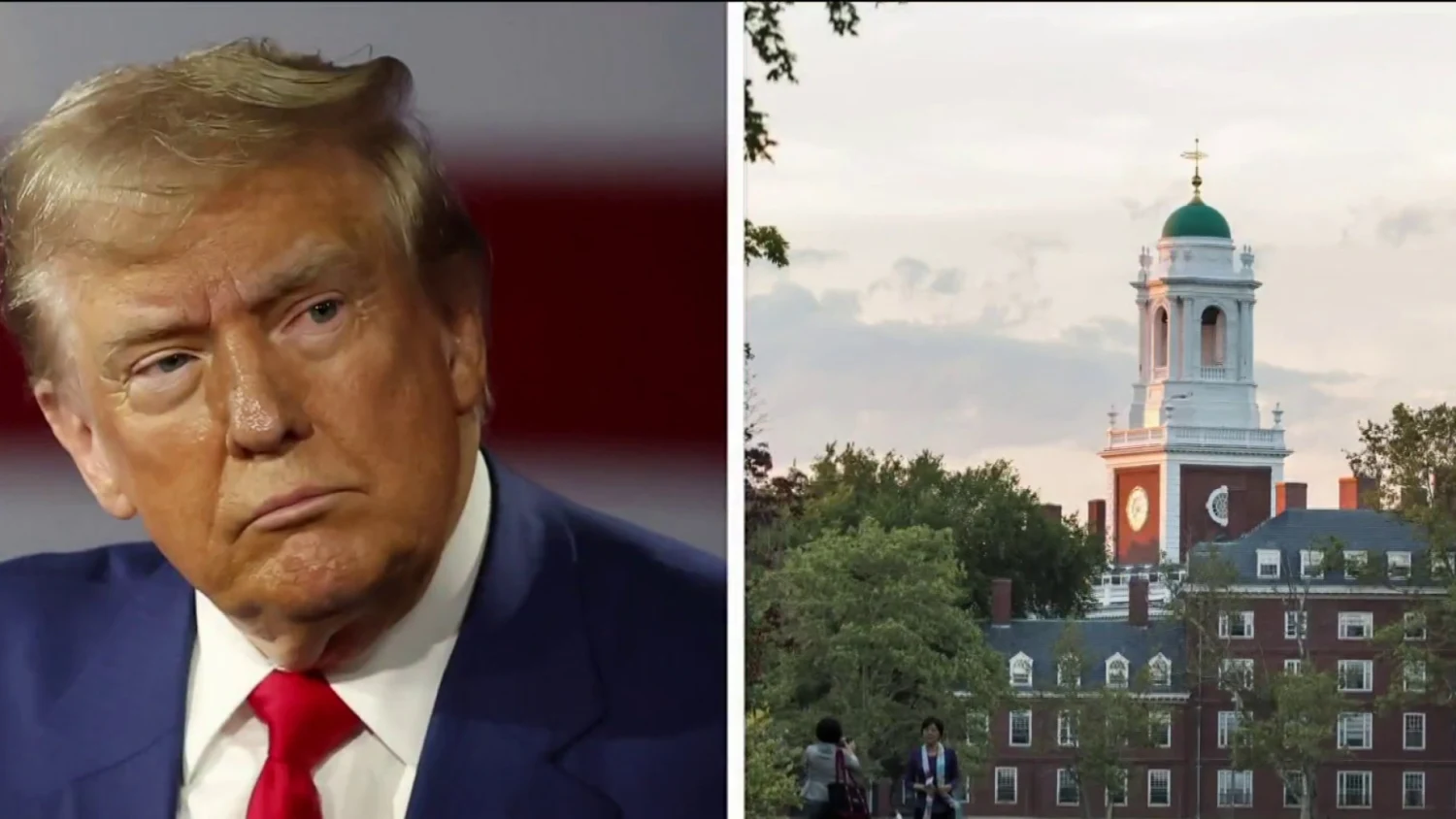
In a dramatic escalation of the ongoing conflict between the U.S. federal government and one of the nation’s oldest and most prestigious universities, the Trump administration has filed a lawsuit against Harvard University, alleging that the institution has failed to comply with a federal investigation into its undergraduate and professional school admissions practices. The lawsuit, filed in U.S. District Court in Boston on February 13, 2026, highlights deepening tensions over affirmative action, data transparency, and institutional autonomy.
What the Lawsuit Alleges
According to the U.S. Department of Justice (DOJ), Harvard has “slow-walked” and failed to produce critical documents and admissions data the government requested as part of a civil rights compliance review launched last year. The government claims that this refusal impedes its ability to determine whether Harvard is abiding by federal law — especially regarding the consideration of race in admissions.
Specifically:
-
The DOJ sought applicant-level admissions data, including demographics, grades, standardized test scores, essays, extracurricular information, and admission outcomes from Harvard College and its medical and law schools.
-
The government alleges that Harvard’s document production was insufficient and often aggregated or publicly available information, rather than the detailed files required to conduct an effective review.
-
The investigation follows the 2023 U.S. Supreme Court ruling that declared race-conscious affirmative action policies unconstitutional, which has forced universities nationwide to reassess how they evaluate applications.
The DOJ’s lawsuit does not seek monetary penalties or cuts to federal funding, the department emphasized, but instead requests a court order compelling Harvard to provide the necessary records to ensure compliance.
Harvard’s Response: Defending Independence
Harvard has countered the government’s claims, asserting that the university has cooperated in “good faith” with federal inquiries and is committed to following the law. A spokesperson for Harvard described the lawsuit as retaliatory and an overreach of executive authority, asserting that the government is attempting to undermine academic freedom and institutional independence.
The university has also argued that:
-
Admissions officers do not access race or ethnicity information until after final decisions are made, consistent with federal guidance.
-
Changes have been implemented to reduce potential biases in recruitment and evaluation.
-
The lawsuit is part of a broader political campaign to pressure Harvard on issues beyond admissions, including campus policies and research funding.
Broader Backdrop of Tensions
This legal action is only the latest chapter in a broader feud between Harvard and the Trump administration that has unfolded over many months. Previous confrontations have included:
Threats to Funding and Sanctions
The administration previously:
-
Attempted to withhold hundreds of millions of dollars in federal grants and contracts awarded to Harvard researchers, citing insufficient action to address discrimination and antisemitism concerns on campus.
-
Threatened to revoke Harvard’s tax-exempt status or block its ability to enroll international students, leading to additional lawsuits and judicial interventions.
Accusations of Ideological Bias
Federal officials have criticized elite universities, including Harvard, for fostering environments they see as permissive of political protest, ideological imbalance, and controversial diversity initiatives. These disputes have touched on student activism, faculty hiring practices, and campus inclusivity programs.
Legal Pushback
Harvard has not remained passive; the university has mounted legal challenges of its own against federal actions — including successful injunctions blocking punitive measures like enrollment restrictions for foreign students.
What This Means Going Forward
The lawsuit marks a new phase of federal scrutiny focused specifically on admissions and race-related data, compelling universities nationwide to evaluate how they maintain transparency while respecting legal and privacy standards. The outcome could set a significant precedent for how higher education institutions are required to comply with federal investigations, particularly when federal funding and civil rights laws intersect.
Whether this case will result in Harvard submitting the requested data, or spark further rounds of litigation, remains uncertain. However, one thing is clear: the clash over affirmative action, university governance, and federal oversight shows no sign of abating.