

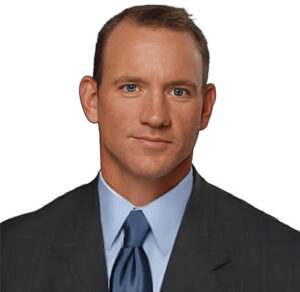

Brad Culpepper
Defective Drug Recalls Lawyer
Brad had a record setting four years as a Defensive Tackle at the University of Florida (1988-1991). While captaining the school’s first ever Southeastern Conference Championship team (91), Brad was Consensus 1st team All-American (A.P., Kodak, Football News), 1st team Academic All-American (GTE), and Unanimous 1st team All-Southeastern Conference personal injury law..
He was named Toyota’s National Leader of the Year, and was one of 15 recipients of the National Football Foundation and College Hall of Fame’s Scholar Athlete Award. Of that group of 15 award winners, Brad was awarded the William V. Campbell National Scholar Athlete of the Year (known as the Academic Heisman). During that year Brad was elected as Student Body Vice-President and served the entire 35,000 students at the University of Florida. Brad served as the student representative on the Board of Directors of the University Athletic Association which oversees the entire operation of all athletic programs at UF.

Brandon F. Jones
Defective Drug Recalls Lawyer
Brandon formed Jones Law Group, P.A in 2014 with the mission to pioneer a new approach to partnering with clients to ease their worries and streamline the legal experience. Today, Brandon’s law firm, Jones Law Group, P.A., practices under the name “RHINO Lawyers” and helps anyone who is injured or arrested
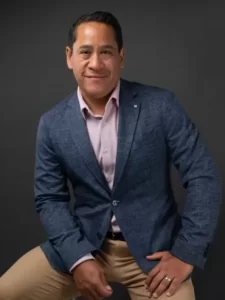
Gil Sanchez
Defective Drug Recalls Lawyer
Gilberto E. Sanchez Valencia, III, also known as Gil Sanchez, was born, and raised in Parkersburg, West Virginia. He is the youngest of six (6) siblings born to Colombian parents. His mother, Nancy, operated and later owned a chain of family optical stores. Coming from humble beginnings, his father, Dr. Gilberto Sanchez, was a Cardiologist trained at Tulane University.
When Mr. Sanchez was just twelve (12) years old, his father suffered from a stroke and became permanently disabled. Due to his father’s disability, his family had to transition to a location with warmer climates. This prompted them to move to Bradenton, Florida, where he had the opportunity to play tennis at the Nick Bollettieri Tennis Academy, this experience helped fuel Mr. Sanchez’s passion for the sport. However, within eight (8) months, his parents decided to move back to Colombia, to a small town called Buga, in the Department of El Valle. While residing in Colombia, Mr. Sanchez became fluent in Spanish. Later, at the age of sixteen (16) his parents made the decision to return him back to the United States to complete high school and further his education in college. He graduated high school in 1995 from River View High School in Sarasota, Florida.
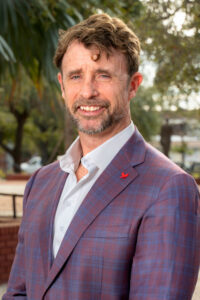
Mickey Keenan
Defective Drug Recalls Lawyer
a native New Yorker, enlisted in the U.S. Army Reserves and relocated to Tampa, Florida to attend college. Prior to the start of school, Mickey deployed to Haiti for Operation Uphold Democracy. Upon his return, he began studies at Hillsborough Community College, then the University of South Florida (USF).
Mickey and his team use their experience and arsenal of legal tools to provide clients the service and justice they seek and deserve. Mickey is committed to ensuring that his clients are secure in the knowledge that they are not alone through the legal journey that lies ahead. The maxim at MICKEY KEENAN, P.A. is that the handling of a personal injury matter is more than just obtaining compensation for the client; but guiding them on the return to normalcy.
Omar Abdelghany
Defective Drug Recalls Lawyer
Omar Abdelghany is a criminal defense attorney practicing in Tampa Bay, Florida, and the surrounding area. He graduated cum laude from California Western School of Law in San Diego, California. He is licensed with the Florida Bar and is also licensed in the United States District Court for the Middle District of Florida and the United States District Court for the Northern District of Florida
Over the years, Omar has gained a strong reputation as an ideal advocate for his clients; this work ethic has earned the respect of his peers and members of the judiciary. His vast experience serves as an ideal platform that promises consistency, passion, and attention to detail towards every client. All these impeccable work ethics guarantee successful outcomes and satisfied clients. Other budding attorneys prefer to consult with Omar due to his breadth of experience in the fields of felonies and general criminal defense. Omar has gained a reputation for the highest level of presentation and ethical law practice standards.
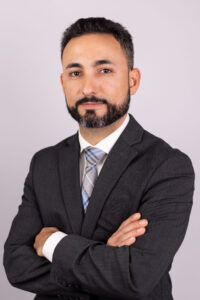
Chris Castillo
Defective Drug Recalls Lawyer
Chris Castillo is an experienced Plaintiff’s attorney who has recovered millions of dollars in compensation on behalf of his clients from insurance companies.
He previously served with the Office of the State Attorney for the 13th Judicial Circuit here in Tampa for the better part of a decade where he handled cases a serious as murder and vehicular homicides.
Chris Castillo is a million-dollar advocate and a trusted personal injury attorney based in Tampa, Florida. With a reputation for securing substantial settlements, including exceeding $1 million, Chris is dedicated to helping clients recover the compensation they deserve after serious car accidents and wrongful deaths.
Recognized for his legal expertise, Chris has been honored as a Super Lawyers Rising Star for two consecutive years and named among the Top Attorneys Rising Stars in Tampa Bay by Tampa Bay Magazine. His track record reflects not only his skill in the courtroom but also his commitment to delivering exceptional results for his clients.
Before transitioning to civil litigation, Chris served for seven years as a prosecutor in the 13th Judicial Circuit State Attorney’s Office in Tampa, where he handled a wide range of serious cases, including homicides and vehicular homicides. His experience in criminal law has provided him with a strong foundation for his current focus on personal injury law, particularly in cases involving wrongful death, auto accidents, catastrophic injury, and trucking accidents.
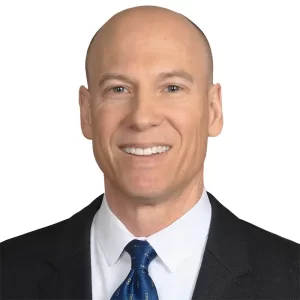
Scott Distasio
Defective Drug Recalls Lawyer
As an ethical and trusted personal injury lawyer, Scott Distasio founded Distasio Law Firm in February of 2006, which focuses on all types of personal injury cases. He wanted to open a law firm that represented his belief that all firms should provide ethical and outstanding service to their clients
An “AV” rating is the highest attainable ranking an attorney can achieve for ability and ethics in the practice of law. It is based on evaluations from other lawyers and judges. Scott is rated “AV” by prominent national legal publication Martindale-Hubbell Law Directory. Additionally, he is a member of “The Million Dollar Advocates Forum.” This is a group of trial lawyers who have won settlements and verdicts of a million dollars or more, and less than 1% of all lawyers are members.
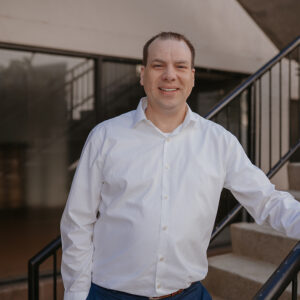
Tim Sanders
Defective Drug Recalls Lawyer
Tim Sanders was born and raised in the small town of Marysville, Michigan, where he graduated third in his class at Marysville High School in 1996. He attended the University of Michigan in Ann Arbor, majoring in political science. He received his Juris Doctorate from Michigan State University – Detroit College of Law in 2003, graduating in the top 25% of his class. While in law school, Tim received the Book Award in Professional Responsibility (Ethics), which is given to the student who demonstrates outstanding scholastic achievement in a particular aspect of law. He also was a recipient of the Dean King Scholarship for high academic achievement.


What Conditions Require Frequent Blood Tests?
Blood tests are a fundamental part of modern medicine, providing vital information about the state of a patient’s health. Certain medical conditions and treatments require frequent blood monitoring to ensure early detection of complications, to guide therapy, and to assess disease progression. This article explores the main conditions and scenarios where regular blood testing is essential.
Chronic Diseases
One of the most common reasons for frequent blood tests is the management of chronic diseases. Diabetes, for example, requires regular monitoring of blood glucose and HbA1c levels. These tests help healthcare providers assess how well a patient’s blood sugar is controlled and whether adjustments to medication or lifestyle are necessary. Similarly, individuals with high cholesterol or at risk for heart disease undergo regular lipid profiles to monitor cholesterol and triglyceride levels, which are crucial for preventing cardiovascular events.
Patients with thyroid disorders, such as hypothyroidism or hyperthyroidism, need frequent thyroid function tests (TSH, T3, T4) to ensure that their hormone levels are within the target range. Adjustments in medication doses are often based on these results. Chronic kidney and liver diseases also necessitate regular blood tests to monitor organ function and detect early signs of deterioration. These tests can include creatinine, blood urea nitrogen (BUN), liver enzymes, and electrolyte panels.
Blood Disorders
Blood disorders, including anemia, clotting disorders, and conditions like sickle cell disease or thalassemia, require ongoing monitoring. Complete blood counts (CBC) are frequently ordered to track changes in red and white blood cells and platelets. For individuals on anticoagulant therapy, such as warfarin, regular INR or PT tests are vital to ensure the blood’s ability to clot remains within a safe range, reducing the risk of bleeding or clotting events.
Cancer and Its Treatments
Cancer patients often undergo frequent blood tests for several reasons. Blood counts are monitored to detect the effects of chemotherapy or radiation on bone marrow function. Tumor markers may be measured to assess the effectiveness of treatment or to detect recurrence. Additionally, organ function tests are used to monitor for treatment-related toxicity, especially when therapies have the potential to damage the liver, kidneys, or heart.
Infectious and Autoimmune Diseases
Chronic infections like HIV and hepatitis require regular blood tests to monitor viral load and immune system status. These tests help guide treatment decisions and assess the risk of disease progression. Autoimmune diseases such as lupus and rheumatoid arthritis also necessitate frequent blood testing. These tests measure markers of inflammation, organ function, and the side effects of immunosuppressive medications.
Medication Monitoring
Certain medications can affect the function of the liver, kidneys, or bone marrow. Patients taking these drugs, including some antibiotics, antiepileptics, and immunosuppressants, require regular blood tests to monitor for toxicity. For example, methotrexate and other disease-modifying agents used in autoimmune diseases can cause liver or bone marrow suppression, which is detected through routine blood work.
Other Scenarios
Frequent blood tests are also indicated in other scenarios, such as:
Monitoring vitamin and mineral deficiencies, especially in individuals with malabsorption syndromes or restrictive diets.
Routine health checks for individuals with a family history of chronic diseases or other risk factors.
Pregnancy, where blood tests are used to monitor for anemia, gestational diabetes, and infections.
Conclusion
Frequent blood testing is a critical tool in the management of many medical conditions. It enables early detection of complications, guides therapy, and helps assess the effectiveness of treatments. Patients with chronic diseases, blood disorders, cancer, autoimmune conditions, and those on certain medications are among the groups most likely to require regular blood monitoring. The frequency and type of tests are tailored to each patient’s specific needs and medical history, ensuring optimal care and improved health outcomes.