

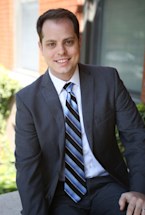

Alex Cornwell
Defective Drug Recalls Lawyer
Alex Cornwell is a Partner and founding member of the firm. Alex began his career at one of the largest law firms in St. Louis where he defended Fortune 500 companies and large corporations in complex commercial litigation. He now focuses solely on representing consumers against large corporations, dishonest car dealerships, and abusive debt collectors personal injury law.
Alex has litigated hundreds of cases within the state and federal courts in Missouri and Illinois and has successfully obtained verdicts for his clients in over 20 trials and arbitrations. He has also successfully briefed and argued multiple cases before the Missouri and Illinois Courts of Appeals and the Supreme Court of Missouri.
Alex earned his Juris Doctorate from the University of Missouri School of Law, where he was one of only two students inducted into the Order of the Coif (top 10% of the class) and Order of the Barristers (trial excellency). During law school, he was a member of the Board of Advocates and served as Lead Articles Editor for the Missouri Law Review.
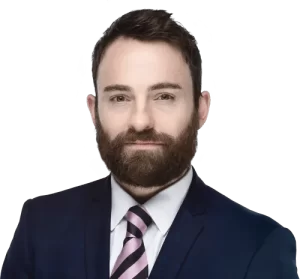
Brent Sumner
Defective Drug Recalls Lawyer
Brent A. Sumner is the Managing Partner at Sumner Law Group, LLC. He focuses his practice exclusively on cases that involve serious personal injuries. Over the years, he has successfully represented thousands of individuals and families, recovering millions of dollars in compensation for injured accident victims.
“I love making a difference in people’s lives,” Brent says. “It is really rewarding to help families that have been devastated by serious injuries or loss. I listen to them and understand what they are dealing with. I’m their voice, and I fight for them against aggressive insurance companies.”
As an experienced litigator, Brent stresses how important it is to have an attorney who is prepared to go to trial in a serious personal injury case. Insurance companies need to know that an accident victim’s attorney will not back down from a fight in court, he says.
Brent has earned a reputation throughout Missouri as a top-notch trial lawyer. He is honored to be part of the National Trial Lawyers Top 100 Personal Injury Lawyers. His success on behalf of his clients also earned him a spot in the Multi-Million Dollar Advocates Forum and the Million Dollar Advocates Forum, a prestigious group that includes fewer than 1% of all lawyers in the United States.
“I love winning for my clients,” he says. “It makes me feel good to provide them with life-changing money from the insurance company.”
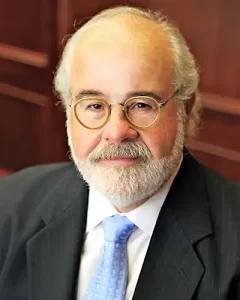
Terry Crouppen
Defective Drug Recalls Lawyer
Terry is a Founding Partner at Brown & Crouppen. As a kid, he always wanted to be a lawyer, inspired by episodes of Perry Mason, where he learned that lawyers could always make things right by sorting out the facts and revealing the truth.
After graduating from Washington University School of Law, Terry served as a public defender in the 22nd Judicial Court. In 1979, he founded Brown & Crouppen alongside partner Ron Brown (1943-2022), guided by the belief that once the truth is revealed, our clients will finally get the fair compensation they deserve. Today, Terry continues to fight for clients in a broad range of cases, including personal injury, motor vehicle accidents, pharmaceutical litigation, medical devices, nursing homes, slip and fall, and wrongful death.
He is an avid supporter of dozens of local non-profit organizations, including Sista Strut, Susan G. Komen Race For The Cure, Annie Malone, Ronald McDonald House Charities, and Habitat for Humanity. You can also find Terry on BCTV, where he is one of the hosts of “3 Lawyers Eating Sandwiches”.
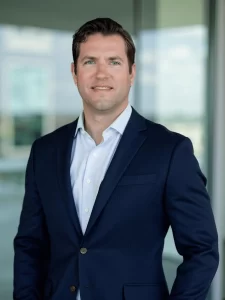
Patrick Hinrichs
Defective Drug Recalls Lawyer
Patrick Hinrichs is a personal injury lawyer with The Bruning Law Firm. Born and raised in St. Louis, Patrick is an alumni of Christian Brothers College High School.
He received his undergraduate degree from The University of Missouri-Columbia, where he graduated cum laude. Patrick graduated from Saint Louis University School of Law in 2010. While in law school, Patrick clerked for the Honorable Judge Sherri B. Sullivan for the Missouri Court of Appeals, Eastern District.
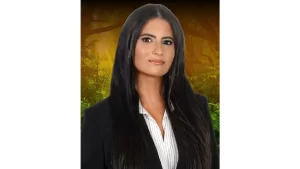
LAUREN S. KRUSKALL
Defective Drug Recalls Lawyer
Lauren is an attorney and co-founder of Jungle Law. She focuses on Employment, Discrimination, and sexual harassment “#METOO” cases. Lauren has represented clients in hundreds of mediations, and has successfully negotiated millions of settlement dollars.
Prior to the Jungle, Lauren was a professor at the University of Arizona and Boston University. She was also an editor for Smart Business Magazine. She has authored publications in law, technology, finance, health, and culture.
Lauren is a former NFL cheerleader for the Tampa Bay Buccaneers. She was also a contestant on Kansas City’s “Dancing with the Stars,” raising money for the students of Cristo Rey. In addition, Lauren has performed as an oboe soloist with professional orchestras.
Lauren enjoys advocating for animals and sponsoring rescue organizations with her fiance and partner, Tristen Woods. Together, they have drafted legislation with state representatives, increasing penalties for animal abusers.
Jungle Law’s campaign, “Vote 4 Paws” has received over 30,000 signatures from individuals and institutions. The current proposed bill, “Release the Hounds” is pending before the Missouri Senate.
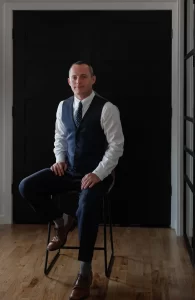
Tyson Mutrux
Defective Drug Recalls Lawyer
I’ve always wanted to be an attorney, but when I was younger I didn’t think it was possible. Neither one of my parents graduated from high school and money wasn’t something we had a lot of. My dad and my mom both worked two jobs and taught me the value of hard work. As a mechanic, my dad knew how grueling manual labor can be, so he intentionally wouldn’t let me work on cars so that I wouldn’t follow in his footsteps.
I owe a lot to my parents, my wife, my family and my friends for where I am today. But I can point to two moments in my life that led me becoming a lawyer. The first may seem trivial to most, but it isn’t to me. On my high school graduation day, I received a book from one of my favorite teachers, Mrs. Morgan. The book? The Street Lawyer, by John Grisham. The plot of the book isn’t what mattered; it was the message. Mrs. Morgan had always encouraged me to become a lawyer, and this was another nudge down that path. With the simple act of giving me that book, she was telling me to follow my dream. The book is great, by the way – I still have the original she gave me.
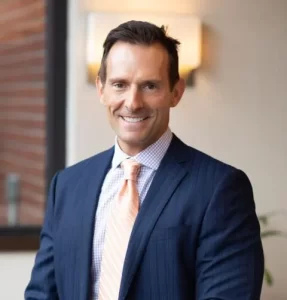
Stephen R. Schultz
Defective Drug Recalls Lawyer
Stephen excelled in law school, particularly in Civil Justice Clinics, Trial Advocacy, and Negotiation. Shortly after graduation, Schultz Myers was formed – and for the past 15 years, Stephen has been standing shoulder-to-shoulder with injured clients and their families, securing some of the largest verdicts and settlements in the state. He is a skilled negotiator and respected in the legal community by both plaintiff and defense lawyers.
“I made the decision to dedicate my life to serving victims of personal injury in my early twenties after being seriously injured in a car accident. My life was literally turned upside down. I was hospitalized for days and unable to walk for months. To make matters worse, the insurance company for the reckless driver tried to take advantage of me. I didn’t know who to trust with my claim. On top of all this financial stress, I was trying to heal physically.


Who Initiates Drug Recalls? A Comprehensive Overview
Drug recalls are an essential component of pharmaceutical safety and public health protection. They involve the removal or correction of medicines that are found to be defective or potentially harmful after they have been released into the market. Understanding who initiates drug recalls, why they are initiated, and how the process unfolds is crucial for healthcare professionals, manufacturers, regulators, and consumers alike. This article delves deeply into the key players responsible for initiating drug recalls, the circumstances that trigger such actions, and the regulatory framework governing these critical interventions.
What Is a Drug Recall?
A drug recall is an action taken to remove or correct a drug product that violates laws administered by regulatory authorities or poses a risk to consumers. These recalls can be voluntary or mandated by regulatory agencies and may involve a range of issues such as contamination, mislabeling, potency problems, or adverse effects not previously identified.
Who Can Initiate a Drug Recall?
The initiation of a drug recall is a collaborative and often multi-faceted process involving several stakeholders. Primarily, the responsibility lies with the drug manufacturer or marketing authorization holder (MAH), but regulatory authorities and other parties can also play pivotal roles.
1. Manufacturers and Marketing Authorization Holders (MAH)
The most frequent initiators of drug recalls are the manufacturers or the companies holding the marketing authorization for the drug. These entities are responsible for ensuring the quality, safety, and efficacy of their products throughout the product lifecycle—from development and manufacturing to distribution and post-market surveillance.
Voluntary Recalls by Manufacturers:
When a manufacturer identifies a potential problem with a drug—whether through internal quality control, customer complaints, or adverse event reports—they are obligated to assess the risk and take appropriate action. If the product is found to be defective or unsafe, the manufacturer typically initiates a voluntary recall. This is considered a proactive measure to protect public health and maintain regulatory compliance.Examples of Manufacturer-Initiated Recalls:
A manufacturer might discover contamination during routine batch testing, detect a labeling error that could lead to dosage mistakes, or identify stability issues that affect the drug’s potency. In such cases, the manufacturer will notify regulatory authorities and initiate a recall to remove the affected batches from the market.Responsibilities of the Manufacturer:
The manufacturer must communicate the recall details clearly to distributors, pharmacies, healthcare providers, and sometimes directly to consumers. They are also responsible for executing the recall efficiently, tracking the recalled products, and taking corrective actions to prevent recurrence.
2. Regulatory Authorities
Regulatory agencies such as the U.S. Food and Drug Administration (FDA), the European Medicines Agency (EMA), the Central Drugs Standard Control Organization (CDSCO) in India, and other national bodies have the authority to oversee drug recalls and can initiate or mandate recalls under certain circumstances.
Mandated Recalls:
If a manufacturer fails to voluntarily recall a defective or unsafe product, regulatory authorities can step in and mandate a recall. This is usually done when the agency determines that the product poses a significant risk to public health and the manufacturer’s response is inadequate or delayed.Direct Initiation of Recalls:
In rare cases, regulatory agencies may directly initiate a recall without the manufacturer’s involvement, especially if the product’s safety is compromised and immediate action is necessary.Triggers for Regulatory Action:
Regulatory authorities rely on multiple sources of information to identify problems, including adverse event reports, inspections, consumer complaints, and laboratory testing. If these data indicate a serious issue, the agency may request or require a recall.Oversight and Classification:
Regulatory bodies classify recalls based on the severity of the risk:Class I: Dangerous or defective products that could cause serious health problems or death.
Class II: Products that might cause a temporary health problem or pose a slight threat.
Class III: Products that are unlikely to cause adverse health consequences but violate labeling or manufacturing regulations.
Monitoring Recall Effectiveness:
After a recall is initiated, regulatory agencies monitor the manufacturer’s efforts to ensure that the recall is effective and that all affected products are removed from the supply chain.
3. Other Authorized Parties
In some cases, other entities such as authorized importers, distributors, or local representatives may initiate recalls, particularly for imported drugs or products distributed through third parties.
Role of Importers and Distributors:
These parties may identify issues during storage, transportation, or distribution and notify the manufacturer and regulatory authorities. They can initiate recalls in coordination with the manufacturer to prevent further distribution of defective products.
What Triggers a Drug Recall?
Drug recalls are initiated when there is credible evidence that a drug product is defective or poses a risk to consumers. Common triggers include:
Contamination:
Presence of microbial, chemical, or physical contaminants that compromise product safety.Labeling Errors:
Incorrect, incomplete, or misleading information on the drug label or packaging that could lead to dosing errors or misuse.Potency Issues:
Drugs that fail to meet potency or stability specifications, resulting in reduced efficacy or increased toxicity.Adverse Drug Reactions:
Reports of unexpected or severe side effects that were not identified during clinical trials.Packaging Defects:
Broken seals, faulty containers, or packaging that does not protect the drug properly.Manufacturing Defects:
Deviations from good manufacturing practices (GMP) leading to product quality issues.
The Drug Recall Process: Step-by-Step
Identification and Risk Assessment:
The initiator identifies a problem and assesses the potential risk to public health. This involves evaluating the severity, scope, and likelihood of harm.Notification:
The manufacturer notifies the regulatory authority and provides details about the defect, affected batches, and proposed recall strategy.Recall Classification and Strategy Development:
The regulatory agency classifies the recall and approves the recall plan, which includes communication strategies, product retrieval methods, and timelines.Communication to Stakeholders:
The recall notice is disseminated to distributors, pharmacies, healthcare providers, and sometimes the public. Transparency is key to ensuring that all affected parties are informed.Product Removal:
The defective product is removed from distribution channels, pharmacies, and sometimes from consumers’ possession.Follow-Up and Effectiveness Checks:
The manufacturer and regulatory agency monitor the recall’s progress, verify that the product has been removed, and assess if further actions are needed.Recall Termination:
Once the recall objectives are met, the regulatory authority formally terminates the recall.
Why Is It Important to Understand Who Initiates Drug Recalls?
Knowing who initiates drug recalls helps clarify accountability and ensures that appropriate actions are taken swiftly to protect patients. Manufacturers are the first line of defense, responsible for rigorous quality control and prompt action when issues arise. Regulatory authorities provide oversight, enforce compliance, and can intervene when necessary to safeguard public health. Other stakeholders, including importers and distributors, also play vital roles in identifying and managing risks.
Conclusion
Drug recalls are a vital safety mechanism in the pharmaceutical industry, designed to protect consumers from harmful or defective medications. While manufacturers and marketing authorization holders most commonly initiate recalls voluntarily, regulatory authorities have the power to mandate or directly initiate recalls when public health is at risk. Other parties such as importers and distributors may also play a role in initiating recalls, particularly for imported products.
The recall process is complex and requires coordinated efforts among manufacturers, regulators, healthcare providers, and consumers. Understanding who initiates drug recalls and the circumstances under which recalls occur helps ensure transparency, accountability, and ultimately the safety of medicines available in the market.