
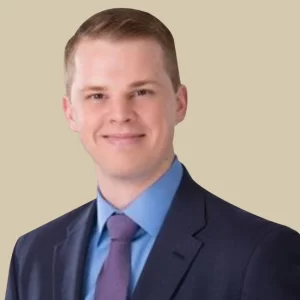

Justin A. Harriman
Defective Drug Recalls Lawyer
Justin A. Harriman is a Civil Litigation Attorney at Altman & Altman, LLP. Harriman received his Bachelor of Sciences Degree from Boston College as well as his Juris Doctorate from Boston College Law School, making him the firm’s Double Eagle. Harriman began his career at Altman & Altman, LLP as a Summer Associate in 2012 and is licensed to practice law in the Commonwealth of Massachusetts personal injury law.
Harriman’s meandering career path before joining the firm allows him to relate to a wide range of clients. From designing and building homes ranging from an igloo in Alaska to a home featured on Extreme Makeover Home Edition, to managing the busiest Chipotle in New England, to working as a private contractor with Secret security clearance for the United States Air Force, there is not much he has not seen or cannot do.
Harriman’s practice focuses on the handling of civil matters. He has a wide range of experience handling civil litigation matters including automobile accidents, MBTA accidents, slip and fall accidents, premises liability, and work injuries. Despite his baby face, Harriman is quickly becoming known as a force to be reckoned with and a no-nonsense advocate for his clients. Harriman is available around the clock and is always willing to answer questions from clients.
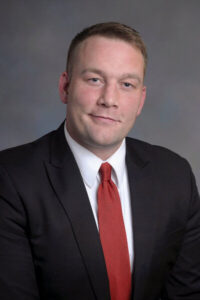
Daniel Faneuf
Defective Drug Recalls Lawyer
Daniel Faneuf established the Faneuf Law Group in an effort to provide clients in Massachusetts with a comfortable choice of lawyers in the field of personal injury law. Since 2004, Attorney Faneuf has worked at several large civil litigation firms in Boston. His experience in the practice motivated him to establish his own firm with a focus on honesty, integrity and excellence.
Prior to going to law school, Attorney Faneuf was a headliner at New England’s largest comedy club, Improv Asylum. His experience writing and directing films, which have also won awards, have assisted Daniel in his approach to cases and with the preparation of clients. In addition, Attorney Faneuf is a Board Member for the Robert F. Kennedy Community Alliance, a human services organization helping children and young adults with specialized needs throughout the state of Massachusetts. Daniel also serves as Big Buddy at Comfort Zone Camp, a charitable organization dedicated to helping children across the United States who are grieving the loss of a parent or a sibling.
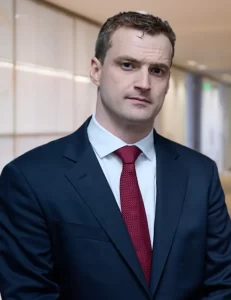
William J. Manchinton, Jr.
Defective Drug Recalls Lawyer
William J. Manchinton, Jr. is a dedicated criminal defense attorney in MA at the Law Office of Matthew W. Peterson, where he has been practicing since late September 2024. With a background in insurance defense specializing in subrogation cases, he found his true passion in criminal law, seeking a more engaging and impactful area of practice.
During law school, he actively contributed to the Washington College of Law’s Civil Advocacy Clinic, where he represented indigent clients in disability and employment matters, further solidifying his commitment to justice and advocacy.
Now practicing criminal defense in Boston MA, Attorney Manchinton seeks to zealously advocate for clients from all backgrounds and walks of life who find themselves in trouble with the law.
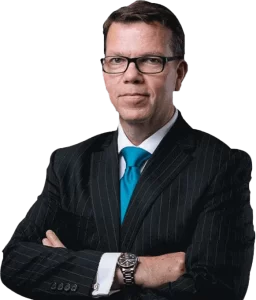
John J. Sheehan
Defective Drug Recalls Lawyer
John Sheehan was born and raised in Boston, Massachusetts. The son of an Irish immigrant from County Kerry, Ireland and raised in a working-class family, Attorney Sheehan has a deep appreciation, pride and respect for the American Dream.
Attorney Sheehan is fluent in Spanish and is privileged to represent many clients from the Latin American community in the Greater Boston area.
Attorney Sheehan has focused his law practice helping working people who have been hurt on the job and accident victims who have been injured due to someone else’s negligence. Attorney Sheehan has been successful securing workers’ compensation benefits and settlements for his clients. Attorney Sheehan strives to provide each client with caring and responsive legal representation. Attorney Sheehan prides himself on being a counselor to his clients and a strong advocate on their behalf in Court and at the Department of Industrial Accidents.
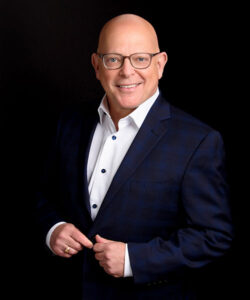
Eric J. Parker
Defective Drug Recalls Lawyer
Eric J. Parker is a co-founder of Parker Scheer LLP and serves as the firm’s Senior Partner. With over 35 years of experience in complex personal injury trial work, Attorney Parker represents adults and children injured or killed as a result of defectively designed or manufactured products, as well as victims of medical malpractice, nursing home abuse and neglect, defective premises, serious motor vehicle negligence, and aviation-related accidents.
Attorney Parker is listed in the prestigious volume: “Best Lawyers in America” under the dual categories of “Plaintiff’s Personal Injury Litigation” and “Plaintiff’s Product Liability Litigation”. He is an elected member of the American Board of Trial Advocates (ABOTA; Elected President, Massachusetts Chapter, 2009-2010), and is a member of the American Association for Justice (formerly the Association of Trial Lawyers of America), the Massachusetts Academy of Trial Attorneys, the Massachusetts Bar Association (Appointed Co-Chair: Task Force on Law, the Economy, and Underemployment 2011-2012), and the Lawyer-Pilots Bar Association. Mr. Parker has been named a “Massachusetts Super Lawyer” by the publishers of Boston Magazine every year since the designation was first created in 2004 (awarded to the top 5% of all Massachusetts attorneys), and has been repeatedly named a “Top 100 Lawyer” among all Massachusetts Super Lawyers, based on peer votes.
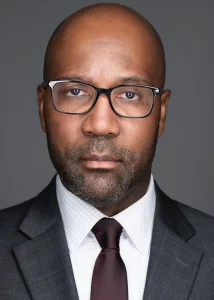
Kensley Barrett
Defective Drug Recalls Lawyer
Kensley Barrett is a skilled criminal defense attorney with a proven track record of successfully representing clients in a wide range of criminal cases. With a strong background in trial advocacy and negotiation, Attorney Barrett is committed to providing effective and personalized representation for every client. His unwavering dedication to justice and passion for helping his clients navigate the complex legal system have made him a respected figure in the Rhode Island legal community.
Attorney Barrett is dedicated to staying current with the latest developments in criminal defense law and regularly participates in continuing legal education programs to enhance his skills. This commitment to professional development allows him to provide his clients with the highest level of representation.
Community Involvement and Pro Bono Work:
Attorney Barrett understands the importance of giving back to his community and is committed to providing pro bono legal services to those in need. He partners with local organizations to offer his legal expertise and support to individuals who may not otherwise have access to legal representation.
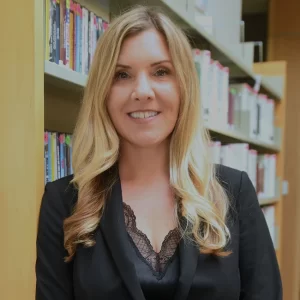
Tracy Paulsen
Defective Drug Recalls Lawyer
Attorney Paulsen’s mission at Rightful Legal is that she will Stand up for you to Create Justice. She fervently believes that lawyers have the power to change people’s lives for the better, to get money to compensate you for your injuries, and to help you get your life back after an accident.
- A major car accident or other personal injury can immediately take you out of your routine, your life, your schedule, your family life, and put you in pain, and a position where you need medical treatment and cannot be yourself. Attorney Paulsen understands there is no greater form of injury or harm to a person than taking their identity away and ability to be alive and healthy.
With over 15 years of legal experience, Attorney Tracy Paulsen has fought on both sides of the ring. She has witnessed firsthand how corporations, including big insurance companies, seeking to save money and increase profit margins will do so, often at the expense of the individual whom their actions harmed. This experience in understanding the opponent, and ability to effectively negotiate favorable settlements on behalf of her individual clients – the people, the person who has been injured.


Who Can Issue a Product Recall?
Understanding the Roles and Responsibilities in Product Safety
Product recalls play a vital role in protecting public health and safety. When a product is found to be unsafe, defective, or in violation of regulations, a recall is the formal process used to remove it from the market, notify consumers, and take corrective action. But who exactly has the authority to issue a product recall? The answer involves a combination of manufacturers, distributors, retailers, and government agencies, all working together to safeguard consumers. This article explores the key players in the recall process, their responsibilities, and how recalls are managed in the United States and internationally.
1. Manufacturers and Companies: The First Line of Defense
Most product recalls begin with the manufacturer or the company that brought the product to market. These entities have the closest relationship with the product’s design, production, and distribution, making them the first to identify potential hazards or defects.
Voluntary Recalls by Companies
Self-Initiated Action: When a manufacturer discovers a flaw—whether through internal quality checks, consumer complaints, or reports of injuries—they often initiate a voluntary recall. This is the most common scenario.
Legal Obligations: In the U.S., companies are legally required to report potentially dangerous products to the appropriate federal agency, such as the Consumer Product Safety Commission (CPSC) or the Food and Drug Administration (FDA). Failure to report can result in significant penalties.
Recall Process: Once a decision is made, the company coordinates with regulators to develop a recall strategy, notify the public, and manage the logistics of removing the product from shelves and consumers’ homes.
Why Companies Recall Products
Companies may recall products for reasons such as:
Discovery of a dangerous defect or contamination
Violations of safety standards or labeling requirements
Reports of injuries, illnesses, or deaths linked to the product
Voluntary recalls demonstrate a company’s commitment to consumer safety and can help maintain trust and reputation, even in the face of a product issue.
2. Regulatory Agencies: The Government’s Role
When a company fails to act—or when the risk to public health is severe—government agencies have the authority to step in and order a recall. These agencies oversee specific types of products and have the power to enforce compliance.
Key U.S. Regulatory Agencies
FDA (Food and Drug Administration): Oversees recalls of food, drugs, medical devices, cosmetics, and tobacco products. While most FDA recalls are voluntary, the agency can mandate a recall if a company refuses to act or if the risk is urgent.
CPSC (Consumer Product Safety Commission): Regulates consumer products such as toys, electronics, and appliances. The CPSC can negotiate voluntary recalls or, in rare cases, order a mandatory recall.
USDA (U.S. Department of Agriculture): Through its Food Safety and Inspection Service (FSIS), the USDA regulates recalls of meat, poultry, and egg products.
NHTSA (National Highway Traffic Safety Administration): Responsible for vehicle and automotive equipment recalls.
EPA (Environmental Protection Agency): Handles recalls related to pesticides and certain chemicals.
Mandatory Recalls
If a company does not voluntarily recall a dangerous product, these agencies can use their legal authority to force a recall. This may involve court orders, fines, or other enforcement actions to ensure public safety.
3. Distributors and Retailers: Partners in Safety
Distributors and retailers also play a crucial role in the recall process. If they become aware of a safety issue—through customer complaints, supplier notifications, or their own observations—they may initiate a recall or participate in one initiated by the manufacturer or regulator.
Responsibility to Report: Distributors and retailers are required to report hazardous products to the appropriate authorities and cooperate fully with recall efforts.
Consumer Notification: They may be responsible for contacting customers, removing products from shelves, and providing refunds or replacements.
4. International Perspective: How Recalls Work Globally
Product recall procedures are not unique to the United States. Around the world, similar systems exist to protect consumers.
European Union
Economic Operators: In the EU, the responsibility for recalls falls on “economic operators,” which include producers, importers, and distributors.
Market Surveillance Authorities: These government bodies monitor products on the market and can order recalls if necessary.
Rapid Alert Systems: The EU’s Rapid Alert System for dangerous non-food products (Safety Gate) helps coordinate recalls across member states.
Other Countries
Many countries have their own regulatory agencies with recall authority, such as Health Canada or the Australian Competition and Consumer Commission (ACCC).
How the Recall Process Works
Whether initiated by a company or mandated by a government agency, the recall process generally involves:
Identification: Discovery of a defect or safety issue.
Notification: Informing regulators and the public.
Action: Removing the product from the market and providing remedies (refund, repair, or replacement).
Follow-Up: Monitoring the effectiveness of the recall and reporting outcomes.
Conclusion: Shared Responsibility for Consumer Safety
Product recalls are a collaborative effort involving manufacturers, distributors, retailers, and government agencies. While most recalls are voluntary and initiated by companies committed to safety, regulatory agencies have the power to mandate recalls when necessary. Distributors and retailers also play a key role in ensuring that unsafe products are quickly removed from the market. Globally, similar frameworks exist, all aimed at one goal: protecting consumers from harm.
If you ever receive a recall notice, take it seriously—return or repair the product as directed, and know that a wide network of organizations is working to keep you safe.