


Thomas D. Robenalt
Defective Drug Recalls Lawyer
Tom Robenalt has been practicing law for nearly 31 years and his interest in representing people dates to his childhood. His father, an attorney, and mother, whose father and grandfather were lawyers, encouraged Tom to help those in need rather than work for the interests of big corporations personal injury law.
In 1997, Tom joined a prestigious personal injury and medical malpractice firm, where he had the privilege of representing those injured with catastrophic injuries such as severe brain injuries and amputated limbs. He also fought for the families of those who died due to others’ negligence. Within six months of joining that firm, where he practiced law for over 16 years, he obtained a jury verdict in favor of his injured client against a physician who denied any liability or responsibility for the harm that the patient sustained.
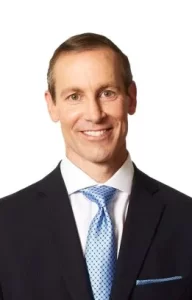
Gregory M. Sobo, Esq.
Defective Drug Recalls Lawyer
Gregory M. Sobo, Esq. is the Founder and CEO of Sobo & Sobo LLP, a nationally recognized personal injury law firm that wins cases throughout the country and maintains large offices across New York, New Jersey, Pennsylvania, Connecticut, Illinois, Wisconsin, and Ohio.
What once started as a mission to help just a few families facing life changing injuries has spawned one of the fastest and most dynamic personal injury law firms in the world. Highly respected by the legal community, feared by insurance companies, and sought out by thousands of injured victims seeking maximum compensation for their injuries, Mr. Sobo has grown Sobo & Sobo to become one of the most premier and recognized law firms for excellence in personal injury law in the country.
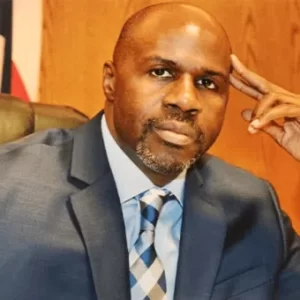
Myron P. Watson
Defective Drug Recalls Lawyer
Attorney Myron Watson has been in private practice for more than 20 years, specializing in criminal trial law, in both State and Federal Courts. In his legal practice, he has been involved in several high-profile criminal cases which received both local and national media attention.
Attorney Myron Watson is a native Clevelander and a graduate of the East Cleveland School System. Being from this area, he knows the people and the legal terrain of this region well. He is a proud graduate of Cleveland State University, where he majored in Political Science. From there, he attended and graduated from Law School at Howard University in Washington, DC. After graduating from law school, he became an associate attorney at Willis Blackwell and Rogers before entering private practice.
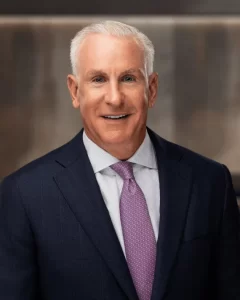
Steve Crandall
Defective Drug Recalls Lawyer
With licenses to practice law in Kentucky, Ohio, and various Federal Courts, Steve Crandall has been a top trial lawyer for over 30 years. Steve’s goals are to first investigate your case to get you answers and then focus on holding those responsible for the mistakes that changed your life.
Steve Crandall is a force to be reckoned with in the legal world. His experience, trial skills and connections in the legal industry allow him to provide his clients with unparalleled representation. Throughout his career, Steve built strong relationships with expert witnesses, opposing counsel, in-house lawyers, insurance representatives and courthouse personnel. This network of contacts allows him to uncover the truth about a case, as well as maximize the recovery and compensation for his clients. As a result, Steve has a reputation as a knowledgeable, tough and fair trial lawyer, with proven experience and results.

Scott Perlmuter
Defective Drug Recalls Lawyer
I’m proud to be a lifelong Ohioan, and I am blessed to have the opportunity to represent the wonderful people across my state and the nation. My family’s history is a source of deep inspiration for me—my mother’s parents were Holocaust survivors, and their resilience taught me the importance of standing up for the little guy.
These values drive me every day as I work to be a reliable and trustworthy advocate, providing comfort and support to my clients during their most challenging times.
Outside of work, I love spending time with my wonderful wife and kids, creating lasting memories together. I also enjoy woodworking, which allows me to relax and express my creativity. Being part of the Cleveland community is a privilege, and I am dedicated to making a positive impact both professionally and personally.
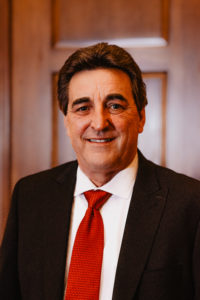
Mark J. Obral
Defective Drug Recalls Lawyer
MARK J. OBRAL is the founder and President of Obral, Silk & Pal, LLC. Since the start of his legal career in 1984, Attorney Obral has dedicated his law practice to representing the injured. Mr. Obral completed his undergraduate degree at Cleveland State University and obtained his Juris Doctorate from the Cleveland-Marshall College of Law.
Mr. Obral is licensed to practice in all Ohio Courts, including the United States District Court for the Northern District of Ohio, and the Sixth Circuit Court of Appeals, and has argued numerous cases before the Supreme Court of Ohio. He has successfully represented injured clients in the State of Ohio and throughout the United States for over 26 years. Mr. Obral has extensive experience in providing first-class representation to injured persons, including successfully litigating multi-million dollar claims for his clients. He takes great pride in providing professional and personal initiative in the representation of each client.

Amber E. Alegria
Defective Drug Recalls Lawyer
Prior to joining Kisling, Nestico & Redick, Amber worked a variety of positions with JPMorgan Chase and Lexis Nexis, gaining valuable insight into the legal profession, outside the realm of a practicing attorney. Despite prior defense experience, Amber enjoys advocating for plaintiffs and empathizes with the difficult plight of fighting against large insurance corporations.
Amber loves spending time with her husband and son. Together they are active members in their church and their community, and they enjoy watching their son play sports, attending festivals, celebrating and decorating for the holidays and being with friends and family. In her spare time, Amber enjoys cooking, reading and running.


What Happens If a Product Gets Recalled?
Product recalls are essential for maintaining consumer safety, protecting public health, and upholding trust in the marketplace. When a product is found to be unsafe, the process of recalling it involves coordinated efforts between manufacturers, regulatory agencies, and consumers. This article provides a comprehensive look at what happens when a product gets recalled, detailing each step, the rationale behind them, and the impacts on all parties involved.
Understanding Product Recalls
A product recall is a process initiated when a manufacturer or a regulatory authority identifies a safety or quality concern with a product that could potentially cause harm to consumers or violate legal standards. Recalls may be voluntary, where the company recognizes and addresses the issue, or mandatory, enforced by regulatory bodies if public safety is at risk and the company fails to act.
Triggers for Product Recalls
Recalls can be prompted by various reasons:
Manufacturing defects: Faults that arise during production, such as contamination or faulty components.
Design flaws: Issues inherent to the design of the product that may cause injury or malfunction.
Labeling errors: Missing, incorrect, or unclear labels, particularly those involving allergens or crucial safety information.
Regulatory non-compliance: Failure to meet industry or governmental safety standards.
Consumer complaints and incident reports: Patterns of negative feedback, accidents, or injuries reported by users can highlight undetected problems.
The Structured Recall Process
Recalling a product is a systematic and regulated procedure comprised of several key steps:
1. Hazard Detection and Risk Assessment
Incident Notification: The process begins when an issue is detected, either through internal quality checks, consumer complaints, or regulatory inspections.
Risk Assessment: Manufacturers thoroughly investigate, assess the level of risk, and determine the scope (specific batches, lots, or entire product lines) that may be affected.
Traceability: Using batch codes, production records, and distribution logs, the source and spread of the faulty product are identified.
2. Regulatory Reporting and Classification
Reporting the Issue: Authorities such as the Food and Drug Administration (FDA), Consumer Product Safety Commission (CPSC), or other comparable bodies are informed. The problem’s severity is classified—ranging from minor to life-threatening—which determines the urgency and nature of the recall.
Production Stop: Manufacturers are expected to halt production and distribution of the affected units immediately to contain the risk.
3. Recall Strategy and Public Communication
Action Plan Development: Companies develop a recall action plan, outlining how products will be recovered, who will be informed, and how consumers will be compensated or supported.
Notifying Stakeholders: Communication is targeted and multi-channel, including:
Notices on company and regulatory websites
Press releases, social media posts, or news articles
Direct communication with distributors, retailers, and, where feasible, affected consumers
Instructions for Consumers: Clear, actionable instructions are provided about discontinuing use and returning or disposing of the product—often along with compensation details (refunds, repairs, or replacements).
4. Product Retrieval, Correction, or Disposal
Logistics Management: A robust logistics operation springs into action—products are returned to retailers or the manufacturer for repair, replacement, or safe destruction.
Documentation: Robust recordkeeping ensures every returned unit is accounted for, which is crucial for tracking the recall’s progress and regulatory compliance.
5. Ongoing Monitoring and Reporting
Progress Tracking: Companies and regulators monitor the recall’s effectiveness through regular reporting, adjusting strategies as needed to ensure maximum recovery of defective items.
Stakeholder Updates: Ongoing communication—especially in high-risk cases—keeps the public informed and reassured throughout the process.
6. Post-Recall Review and Preventive Actions
Root Cause Analysis: After the immediate threat is contained, manufacturers complete a comprehensive investigation into what went wrong.
Corrective Action: Lessons learned inform changes to processes, supplier selection, or quality assurance programs, reducing the chance of recurrence.
Regulatory Review: Authorities may impose fines, mandate changes, or require ongoing monitoring if the recall response is found wanting.
Impacts of Recalls
Effects on Consumers
Safety: Recalls are essential for removing hazardous items from the market, directly protecting public well-being.
Compensation: Consumers generally receive replacement products, repairs, or refunds for returned goods.
Inconvenience and Confidence: While necessary, recalls can cause inconvenience and erode trust, influencing long-term buying decisions.
Effects on Businesses
Financial Cost: Recalls are expensive, often running into millions of dollars due to logistics, compensation, legal fees, and lost sales.
Reputational Damage: Public perception may suffer, impacting brand loyalty and long-term competitiveness.
Legal Consequences: Mishandled recalls expose businesses to lawsuits, fines, and stricter oversight.
Operational Disruption: Resources are diverted to handling the recall, affecting productivity and internal morale.
The Role of Technology and Future Improvements
Traceability: Advanced data systems facilitate quick identification and withdrawal of affected products.
Proactive Monitoring: Predictive analytics can flag risks earlier, preventing issues before they escalate into full recalls.
Transparent Reporting: Regular updates foster public trust and help create industry benchmarks, ultimately leading to safer products and processes.
Conclusion
Product recalls, though disruptive, are critical safeguards in today’s marketplace. The effectiveness of a recall rests on swift action, transparent communication, and ongoing assessment. Businesses that approach recalls with responsibility, honesty, and commitment to continual improvement not only protect consumers but also reinforce their reputation and resilience in the long run.