
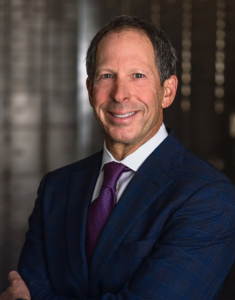

Jon Walner
Defective Drug Recalls Lawyer
Jonathan Walner is a Chicago injury attorney whose practice primarily consists of pre-litigation matters involving investigation, documenting, and proving our clients’ personal injury, wrongful death, nursing home, and medical malpractice cases personal injury law.
Mr. Walner handles an extensive amount of uninsured and underinsured motorist cases. He arbitrates either in three-man panels or with retired judges in many cases for alternative dispute resolution to avoid the lengthy process of litigation, cutting down the time our clients wait to be compensated for their injuries.
The firm was originally Rosner and Walner, which was founded in 1962. Harvey L. Walner, Jon’s father, founded this great firm concentrating on personal injury claims in 1973. Jon has been a shareholder of Walner Law® since 1988. For the last 21 years, Jon has been the President of Walner Law®.
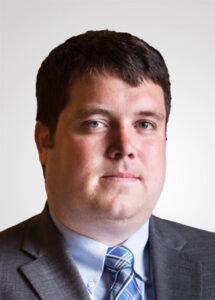
Jason Allen
Defective Drug Recalls Lawyer
Jason centers his practice at the intersection of business and law, helping his clients to ensure compliance, minimize liability, and strategically leverage legal opportunities as they arise while always keeping sight of his clients’ business objectives. Jason prides himself on understanding effective counsel’s role in aiding clients at all stages of the business life cycle, from formation, to securing funding, to navigating exit scenarios.
Jason received his law degree from Indiana University in Bloomington, Indiana. His legal studies focused on corporate, administrative, and tax law. His classroom experiences were augmented by a judicial clerkship, an internship with the in-house counsel department of a Fortune 500 company, and clinical experience with the Indiana University Nonprofit Legal Clinic. His work was published in the Indiana University Journal of Law and Social Equality, for which he also sat on the Editorial Board. In his free time, Jason served as a research assistant to three of the nation’s foremost scholars in their respective fields: Dr. Timothy L. Fort, a renowned authority in the field of business ethics, Professor William Henderson, an influential figure in legal education policymaking, and Dr. Scott J. Shackelford, an expert in cyber-security and internet law.
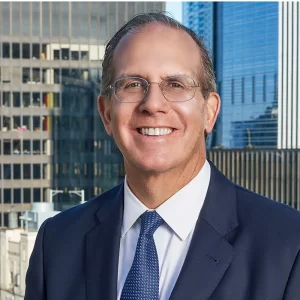
Howard H. Ankin
Defective Drug Recalls Lawyer
A third-generation lawyer, Howard Ankin has known many of his clients since he was a child. They descend from family members, friends and co-workers of his father and grandfather; many recall him as a young boy accompanying his father to court on school breaks. Deep passions for justice and the law are not just part of Howard’s professional life, they have been engrained in who he is since he was born.
Today, Howard owns Ankin Law – which has flourished since it was founded in March of 1997 – alongside his father and partner, Paul B. Ankin. With extensive experience practicing personal injury, workers’ compensation, trucking litigation, wrongful death, social security disability, criminal and civil litigation, Howard has devoted his professional life to seeking justice on behalf of his clients and perpetuating the tradition of the Ankin family providing superior legal support for all of its clients.
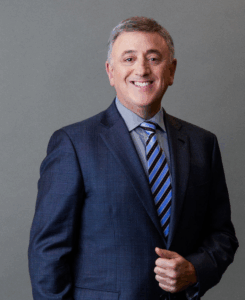
Steven J. Malman
Defective Drug Recalls Lawyer
Malman Law’s founder, Attorney Steven Malman, has over 30 years of experience handling personal injury, nursing home, medical malpractice, premises liability, construction, and workers’ compensation cases. He is one of Chicago’s leading authorities on personal injury law and has taken a special interest in defending the elderly from neglect and abuse.
As an advocate for working on contingency, Attorney Malman believes that all injured persons should be able to obtain legal representation when they need it most, regardless of whether they have the financial means to pay for it at the time. For that reason, his clients only pay for services rendered if the case wins—you only pay if you collect compensation, and the payment comes from that collection, not from your own pocket up front.
At a very young age, Attorney Malman decided to commit his life to providing a voice for those whom the misdeeds of others have harmed. His greatest strength is the ability to empathize with his clients and recognize the impact a personal injury can have on his client’s life.
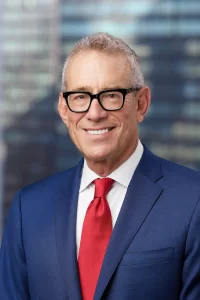
Steven M. Levin
Defective Drug Recalls Lawyer
Nationally known for successfully representing clients in personal injury matters, Steven Levin is an outstanding attorney, successful entrepreneur and, most importantly, a committed family man. Steve’s family values carry over into everything he does, from representing people seeking better care for their elderly loved ones to building a law firm that has become one of the best in the nation at winning substantial verdicts and settlements for people affected by medical malpractice, nursing home neglect, or other personal injury cases.
Steve Levin grew up in the Chicagoland area and has lived there with his family his entire life. He married his childhood sweetheart Marsha. Steve is the father of three boys and one girl, and grandpa to fourteen grandchildren. He also proudly plays the role of ‘dad’ to some of the younger attorneys he mentors, including his now partners Mike Bonamarte and Margaret Battersby. Steve was a groomsman in Mike’s wedding and spoke at Margaret’s rehearsal dinner.
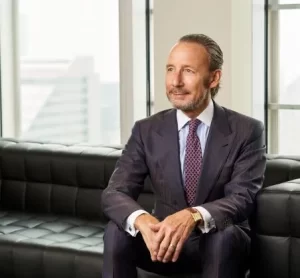
Patrick A. Salvi
Defective Drug Recalls Lawyer
In 1982, Mr. Salvi founded the law firm of Salvi, Schostok & Pritchard P.C. (originally the law offices of Patrick A. Salvi) in Lake County, Illinois. He is the owner and Managing Equity Partner of Salvi, Schostok & Pritchard P.C. Today, the firm has over 20 lawyers and is supported by more than 35 staff members in Chicago and Waukegan offices.
Mr. Salvi is one of the most prominent attorneys in the country and has been named to “Best Lawyers” for Medical Malpractice, Personal Injury, and Product Liability every year since 2005. Mr. Salvi’s peers have selected him to the Illinois Super Lawyers Top 10 List every year since 2014 and Law Bulletin Media has named Mr. Salvi to three “Top Ten” lists every year since 2016. He was inducted into the Lawdragon 500 Hall of Fame in 2021 and in 2023, Mr. Salvi was the recipient of the Illinois Bar Foundation “Distinguished Award for Excellence,” which honors an individual who has made remarkable contributions to the legal community throughout their career.
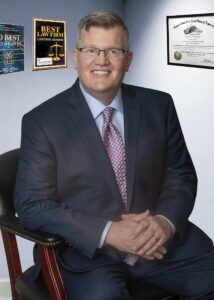
Andrew S. Kryder, Esq.
Defective Drug Recalls Lawyer
In many instances, Andy meets his clients under very difficult circumstances. The aftermath of an injury can take a physical, emotional and economic toll on the individual and their family. Andy recognizes that each client has unique goals and expectations. That’s why every case starts with a conversation. Listening and developing a strategy is what sets Andy apart from many other attorneys.
With over two decades of experience, Andy has distinguished himself as a litigator at the Circuit Court level and Appellate Court level. Andy has taken numerous cases to verdict, handled hundreds of arbitrations, appeared in court thousands of times and argued multiple cases in front of the Illinois Appellate Court. In addition, Andy is admitted to practice before the United States Supreme Court.


Who Usually Makes Decisions to Recall a Drug Product?
Drug recalls are a critical aspect of pharmaceutical safety and public health. When a medication on the market is found to be potentially harmful, defective, or not compliant with regulatory standards, it must be swiftly removed from distribution to protect patients and consumers. But who is responsible for making the crucial decision to recall a drug product? The answer involves a coordinated process between pharmaceutical companies and regulatory authorities, with input from healthcare professionals, distributors, and sometimes even consumers. This article explores the decision-making process behind drug recalls, detailing the roles of each stakeholder and the mechanisms that ensure the safety of medicines in the marketplace.
The Primary Decision-Maker: The Manufacturer or Marketing Authorization Holder
The initial and most significant responsibility for recalling a drug product usually lies with the manufacturer or the marketing authorization holder (MAH). The MAH is the company or entity that holds the license to market and distribute the drug. These organizations are legally and ethically obligated to ensure the safety, efficacy, and quality of their products throughout their lifecycle.
How Do Manufacturers Detect Problems?
Manufacturers have robust quality assurance systems in place. Problems that might trigger a recall can be detected through:
Internal quality control checks: Routine testing during manufacturing or packaging may reveal contamination, potency issues, or labeling errors.
Post-marketing surveillance: Once a drug is on the market, companies monitor adverse event reports, complaints, and feedback from healthcare professionals and patients.
Regulatory inspections: Sometimes, regulatory authorities identify issues during audits or inspections of manufacturing facilities.
Reports from healthcare professionals or consumers: Doctors, pharmacists, and patients may notice unusual side effects or product defects and report them to the company or regulatory bodies.
The Internal Decision-Making Process
Within a pharmaceutical company, the decision to recall a product is not taken lightly. It typically involves a recall committee or a designated recall coordinator, often from the Quality Assurance (QA) department. This group may include representatives from:
Quality Assurance/Quality Control
Regulatory Affairs
Legal and Compliance
Senior Management
Communications or Public Relations
This team assesses the risk, investigates the root cause, and determines the scope of the recall (e.g., specific batches, all products, or only certain markets). If the risk is significant—such as potential harm to patients—the recall is initiated promptly. The company is also responsible for notifying regulatory authorities and providing detailed information about the issue and the recall plan.
The Role of Regulatory Authorities
While manufacturers are usually the first to act, regulatory authorities play a central role in overseeing and sometimes initiating recalls. Major agencies include:
US Food and Drug Administration (FDA) in the United States
Central Drugs Standard Control Organization (CDSCO) in India
European Medicines Agency (EMA) in the European Union
Medicines and Healthcare products Regulatory Agency (MHRA) in the United Kingdom
Regulatory-Initiated Recalls
Regulatory agencies have the power to:
Request a recall: If the agency becomes aware of a problem (through its own inspections, adverse event reporting systems, or whistleblowers), it can formally request the manufacturer to recall the product.
Mandate a recall: If a company refuses to act or if the risk is severe, the agency can order a mandatory recall and take legal action to enforce it.
Monitor and audit: Agencies oversee the recall process to ensure it is effective and that all affected products are removed from the supply chain.
In India, for example, the State Licensing Authority (SLA) or the Central Licensing Approving Authority (CLAA) may issue recall orders and monitor the process. In the US, the FDA typically requests voluntary recalls but can mandate them if necessary.
Other Stakeholders in the Recall Process
The recall process is a collaborative effort involving several other key players:
Distributors, Wholesalers, and Retailers
These entities are responsible for:
Implementing recall instructions: Removing affected products from their shelves and inventory.
Communicating with the manufacturer and authorities: Reporting the quantity of product returned or destroyed.
Ensuring traceability: Maintaining records to track the movement of recalled products.
Healthcare Professionals and Pharmacists
Doctors, nurses, and pharmacists play an essential role by:
Reporting adverse events or product defects: Their vigilance can trigger the recall process.
Informing patients: Advising patients to stop using recalled products and return them as instructed.
Consumers
Patients and consumers can also be the first to notice problems and report them, either directly to the manufacturer or via regulatory hotlines.
Types and Classes of Drug Recalls
Drug recalls are categorized based on the risk they pose:
Class I: Products that could cause serious health problems or death.
Class II: Products that might cause temporary health problems or pose a slight threat.
Class III: Products unlikely to cause harm but that violate labeling or manufacturing laws.
Recalls may be voluntary (initiated by the manufacturer) or statutory/mandatory (ordered by regulators).
The Recall Process: Step by Step
Identification: A problem is detected by the manufacturer, regulator, or another stakeholder.
Risk Assessment: The severity and scope are evaluated.
Decision and Notification: The manufacturer (or regulator) decides to recall and notifies authorities and the supply chain.
Execution: Products are removed from distribution, and the public is informed if necessary.
Monitoring and Reporting: The recall’s effectiveness is tracked and reported to regulators.
Conclusion
In summary, the decision to recall a drug product is primarily made by the manufacturer or marketing authorization holder, who acts swiftly to protect public health. Regulatory authorities play a vital supervisory and enforcement role, ensuring that recalls are conducted effectively and transparently. Distributors, healthcare professionals, and even consumers are integral to the process, forming a safety net that helps maintain the integrity and safety of the drug supply. This collaborative approach ensures that when problems arise, they are addressed quickly and efficiently, safeguarding patients and upholding public trust in medicine.