


Alex P. Rosenthal
Defective Drug Recalls Lawyer
The man, the myth, the lawyer. Founder of Rosenthal Law Group in July 2012, Alex has been helping clients navigate the murky waters of business disputes and litigation with a mix of sharp legal acumen and just enough sarcasm to keep it interesting. Born and raised in Miami, Florida, Alex decided early on to turn his love of arguing into a profession, much to the delight of his family, who are still recovering from years of spirited “debates.”
The Lawyer Stuff
Alex’s practice spans a little bit of everything that keeps businesses up at night:
- Contract disputes
- Fraud cases
- Employment law
- Real estate litigation
- Complex commercial landlord-tenant disputes (because who doesn’t love a good lease fight?)
Before founding Rosenthal Law Group, Alex cut his teeth at the prestigious Stroock & Stroock & Lavan and later at Britton, Weissman, Lichtman & Dervishi, P.A. He’s litigated statewide in state and federal courts and even moonlights as a certified arbitrator in Broward County. If there’s a courtroom, Alex is comfortable in it (though he might prefer one with better snacks).
Credentials That Look Great on Paper
- Education: B.A. from the University of Virginia (1986), J.D. from the University of Florida College of Law (1989) – with honors, no less.
- Florida Supreme Court Certified Civil Circuit Court Mediator – Certification No. 43550R. Certified Circuit Court Arbitrator, 17th Judicial District, in and for Broward County, Florida.
- Trial Law Institute
- Diversity Law Institute
- Barrister, Order of Veritas
- Senior Fellow, Litigation Counsel of America
- AV Rated by Martindale-Hubbell
- Named to the exclusive list of U.S. News – Best Lawyers® Best Law Firms (2018-2025)
- Selected to the Florida Super Lawyers list (2020-2025)
- Selected for Fort Lauderdale Illustrated’s Top Lawyers (2020)
- Recognized by The Best Lawyers in America® in the field of Commercial Litigation (2010-2025)
- Recognized by The Best Lawyers in America® in the field of Litigation-Construction category (2016-2022)
- Business Lawyer of the Year by Corporate America (2016)
- Florida’s Commercial Landlord-Tenant Litigator of the Year by Acquisition International (2016)
- 10.0 Superb rating by Avvo®
- Recognized in the Miami Herald as one of South Florida’s Top Lawyers (2011-2012)
- M&A Award by Corporate Livewire for “Excellence in Business Litigation Law — FL, USA.” (2017)
- Finance Monthly Global Award (2017)
- Lawyer Monthly of Legal Awards (2017)
- Named to Florida Trend Magazine’s “Legal Elite” 2019
- Lawyers of Distinction (2017)
- Lawyers of Distinction (2020)
- America’s Top 100 Bet-the-Company Litigators® for 2019-2021
- “Most Outstanding Law Firm of 2016” from Wealth & Finance International
- Best Business Law Firm in Miami (2016)
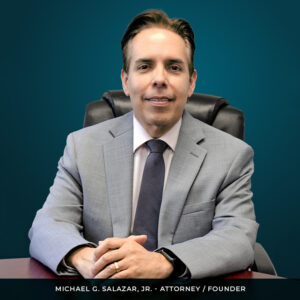
Michael G. Salazar Jr
Defective Drug Recalls Lawyer
Dr. E.R. Báez was born in the Puerto Rican town of Ponce. He was admitted to the Texas Bar in 2005. Apart from being a criminal lawyer, Dr. Báez enjoys guiding individuals and families, while believing that everything is possible with God. He is married and has four children and two grandchildren.
E.R. Báez is the only defense attorney at The Law Office of E.R. Báez. He served his country as a Senior Drill Sergeant in the United States Army before becoming a respected criminal attorney in the San Antonio, TX area. He was assigned to the 1/501st Airborne Infantry Unit during his service. Dr. Báez’s military discipline, training, and experience have greatly contributed to his current position as a formidable criminal attorney. In other words, you can put great confidence in trusting our criminal lawyer since he is uniquely qualified to handle criminal law cases or cases that may be too tough for other criminal lawyers to handle.
E.R. Báez, MDiv, JD, Ph.D. has opened his law offices, in an effort to offer more concentrated services where he can be of most help to the community. As a criminal lawyer, Dr. Báez has a great passion for helping those in need of legal protection. He travels throughout Texas defending those that cannot protect themselves. He handles murder cases, drug cases, DWI cases, DUI cases, assault and abuse cases, white-collar cases, gang-related cases, fraud cases, prostitution cases, parole cases, misdemeanors, post-conviction relief, writs, and other criminal cases in both state and the federal levels.
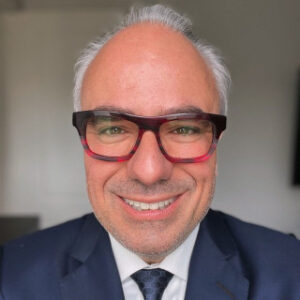
Brian Silber
Defective Drug Recalls Lawyer
Brian Silber is a passionate trial attorney with over 20 years of experience. He began his career in 2003 as a prosecutor at the Broward County State Attorney’s Office in Fort Lauderdale, Florida. He served in a special unit dedicated to fighting domestic violence and as a supervisor and lead felony prosecutor. In 2006, Mr. Silber left government and entered the private sector where he focused on criminal defense and civil asset forfeiture until dedicating himself to fighting for victim rights. He is a member of the Florida Bar and over 20 federal courts across the United States.
Mr. Silber has successfully represented people from all walks of life, including judges, police officers, politicians, doctors, other lawyers, corporations, and hundreds of regular every-day people. He has handled many high-profile cases including those in the media and has been to trial over 100 times.
Mr. Silber is also a Florida Supreme Court certified mediator and has tremendous experience helping people negotiate settlements without the need for court intervention.
After many years practicing on both sides of the criminal courtroom, Mr. Silber had occasion to represent a person who was the victim of a horrendous sexual assault. The experience was so utterly moving and so personally satisfying as the lawyer, that he decided to devote his law practice to fighting for victims.
Fighting for people in crisis is something Mr. Silber has always thrived on and excelled at.
Now, his clients have the benefit of a seasoned prosecutor and a seasoned defense lawyer who truly knows the ins and outs of both sides – a skill and knowledge base that gives victims a great advantage. Not to mention, his knowledge and contacts in law enforcement have proven to be an invaluable resource for victims that wish to come forward and report what happened to them.
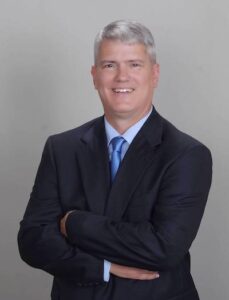
Dave L. Simmons
Defective Drug Recalls Lawyer
Dave L. Simmons, in the Law Offices of Dave L. Simmons. P.A. has been practicing law in the criminal justice field in Broward County for almost 21 years. He attended Florida State University during his undergraduate studies and graduated cum laude with a degree in Communications. After graduation, he attended Nova Southeastern Shepard Broad Law School, earning his degree as Juris Doctor.
After law school, Mr. Simmons became an Assistant State Attorney for the Broward County State Attorney’s Office and later an Assistant Public Defender for the Broward County Public Defender’s Office. As a former prosecuting attorney for the State Attorney’s Office and former Public Defender in Broward County, Mr. Simmons has had the unique opportunity of handling both misdemeanor and felony cases on both sides of the judicial system in Broward County. This unique training and experience have equipped him with the ability to view your case from a broad perspective and assert the very best possible defense in your case.
Since leaving both the State Attorney’s Office and the Office of the Public Defender, Mr. Simmons has devoted his private practice to defending those individuals accused of a criminal offense. During the last 16 years as an accomplished Criminal Defense Lawyer, he has represented thousands of individuals accused of various criminal charges ranging from misdemeanors to the most serious felonies. Mr. Simmons firmly believes that his knowledge and experience will help to assert the very best defense in each and every case and achieve the best results possible.
Dave Simmons is a member of the Broward Association of Criminal Defense Lawyers and is a member in good standing with The Florida Bar and the Supreme Court of Florida. Mr. Simmons has an “Excellent” rating with Avvo.
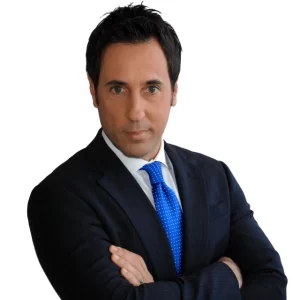
Mark Eiglarsh
Defective Drug Recalls Lawyer
Mark Eiglarsh’s professional mission is to do everything in his power to obtain the best possible outcome for his valued clients under challenging circumstances. He passionately believes that serving his clients is an extraordinary opportunity and gift. By accepting select cases on behalf of his boutique litigation firm, The Law Offices of Mark Eiglarsh, he is able to aggressively and passionately devote the necessary time and energy to achieve wonderful results for those clients he represents.
Accolades
Here are just some of many of Mark Eiglarsh’s professional accolades:
- Enjoys an “AV rating” from Martindale-Hubbell, the highest rating obtainable.
- Voted by his peers one of the “Best of the Bar.”
- Named as one of Florida Trend’s “Legal Elite”, an honor given to less than one percent of the lawyers in the state.
- Selected as a “Super Lawyer,” lawyers who have attained certain honors, results or credentials, which indicate a high degree of peer recognition or professional competence.
- Serves as an adjunct professor at the University of Miami School of Law
Mark Eiglarsh was born and raised in Miami. He graduated from the University of Florida, with honors, acquiring a Bachelors of Science degree in Telecommunication (Radio and Television Production). He earned his law degree from Loyola School of Law, in New Orleans, where he earned a scholarship by competing on the Moot Court National Team.
After graduation, he served as a Miami-Dade County Prosecutor from 1992-1996. He has been involved in numerous “high-profile” matters throughout his career, including cases involving one of Madonna’s alleged stalkers; former University of Miami Football Star Rohan Marley, the son of Reggae Legend Bob Marley; two juveniles charged with shooting and killing a German tourist; and Yusimil Herrera, a former abused foster child accused in the beating death of her 3 year old daughter. He’s also been involved in numerous “high profile” personal injury/accident/and wrongful death cases.
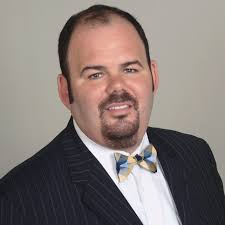
Matthew Glassman
Defective Drug Recalls Lawyer
To those who have never met me or seen me argue a motion or deliver a closing argument please allow me to introduce myself. My name is Matthew Glassman. I have been practicing criminal defense law in South Florida for over 13 years. I began my career as a freedom fighter as an assistant public defender at the Broward County Public Defender’s office. It was there that I honed my skills and handled case after case. Thousands of cases. I handled cases ranging from driving and drug offenses to complex white collar crime cases to first degree murders and sexual batteries. I fought and battled for my clients no matter how insurmountable the odds seemed. I never gave in and I always rose to the occasion. At the end of my tenure with the Public Defender, I was assigned to the major crimes unit, primarily handling homicides and acting as co-counsel on several death penalty cases.
What I learned as a public servant only made me stronger. I took my talents into private practice and have never looked back. I have been able to build a successful practice by listening to and making myself available to my clients while delivering results. I fight hard and most importantly I fight along side my clients. Nobody is in the dark. Everyone is on the same page. We fight together. Whether you have a high profile media case or small petit crime you can rest assured that you are getting a lawyer that will go to bat for you.
I consider myself to be innovative, creative and someone that has the ability to think outside the box. In front of a jury, I can be entertaining, serious and respectful. I keep myself abreast of the law and any changes that happen. I write a legal blog to educate others.
In addition to my legal work, I currently teach Florida’s infamous stand-your-ground law as an adjunct professor at Florida Atlantic University. The classroom setting is similar to the courtroom setting where I would be educating a jury. Teaching is a great way to further strengthen and reinforce my abilities as a litigator and is something that I greatly enjoy. I also previously taught a graduate-level course on administrative law and procedure.
Last but not least, I received my B.A. from Indiana University in 2002 and in 2005 graduated from the Saint Thomas University Law School with a J.D. degree and a Master’s degree in Sports Management.
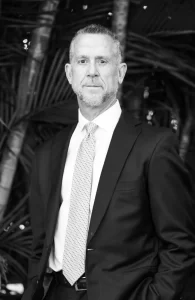
John K. Lawlor
Defective Drug Recalls Lawyer
John Lawlor understands how important choosing the right personal injury attorney can be and believes that the most important representation of his success are the satisfied clients whose legal rights he has fought to uphold. Testimonials speak to the type of lawyer that he strives to be on a daily basis—providing the most knowledgeable legal representation possible while simultaneously giving his clients the compassionate support that they need while struggling to recover from the physical consequences of an accident.
Originally from Boston, Mr. Lawlor received his B.A. from Barry University in Miami and his law degree from Nova Southeastern University in 1994. After trying cases at a local litigation firm in South Florida, Mr. Lawlor opened his own practice in 1995, and in 1998 he began what is now the Law Firm of Lawlor, White & Murphey.
Mr. Lawlor’s areas of focus include complex personal injury, medical malpractice, and wrongful death cases. John spearheads the Firm’s litigation and trial practice division. He is admitted to practice before all Florida courts and the United States 11th Circuit Court of Appeals.
Mr. Lawlor has been protecting the rights of injured clients in South Florida for over 25 years and is dedicated to the community in which he lives and works. His personal injury practice is about much more than simply earning a living—it is about keeping the community safe for all residents and visitors. When negligent people and organizations know that there will be financial consequences to their actions, they may actually be motivated to behave more carefully in the future.
In addition to his successful legal practice, Mr. Lawlor is an Eagle member of the Florida Justice Association, the Broward County Justice Association and the American Association for Justice. Reinforcing his passion to give back to the community, he routinely accepts pro bono cases through Broward Lawyers Care to do his part in ensuring that the rights of all South Florida residents are protected, regardless of ability to pay.


Top 10 Most Commonly Recalled Drugs in the U.S. — What happened, why, and what patients should do
Drug recalls are common. The FDA maintains an active recalls page and searchable recall database because manufacturers or regulators may remove products for reasons ranging from microbial contamination to subpotency, impurities (including nitrosamines such as NDMA), mislabeling, and sterility failures. Over the last two decades some drugs or categories have appeared in repeated or high-impact recalls; those are listed here with plain-English explanations and action steps for patients. U.S. Food and Drug Administration+1
How this list was chosen: no single public list ranks “most recalled” by a simple count; instead this roundup targets drugs and drug families that have repeatedly shown up in FDA recall actions or have had major, widely reported recalls (large volume, public health impact or repeated manufacturer recalls). For each item I list the typical recall reason and what patients or caregivers should do.
1) ARBs — Valsartan, Losartan, Irbesartan (Angiotensin II Receptor Blockers)
Why they’re on this list: since 2018 multiple lots and manufacturers of ARBs (notably valsartan, and later losartan and irbesartan) were recalled worldwide after tests detected nitrosamine impurities (NDMA, NDEA) that are probable human carcinogens. Because these impurities were traced to certain active-ingredient manufacturing changes, numerous lots across many brands and generic makers were affected. U.S. Food and Drug AdministrationAHA Journals
Typical recall reason: nitrosamine contamination from the API (active pharmaceutical ingredient) manufacturing process.
What patients should do: don’t stop blood-pressure meds without talking to a clinician. Check FDA recall notices for specific lot/NDC numbers and follow pharmacy or manufacturer instructions. U.S. Food and Drug Administration
2) Ranitidine (brand: Zantac)
Why: the FDA requested removal of all ranitidine products in 2020 after testing showed variable — sometimes high — levels of NDMA in ranitidine products; NDMA could form during storage or over time, posing a potential cancer risk. This triggered recalls and market withdrawals for both OTC and prescription ranitidine. U.S. Food and Drug AdministrationWIRED
Typical recall reason: NDMA impurity / instability over time.
What patients should do: alternatives for heartburn/reflux (e.g., famotidine, PPIs) exist — discuss with your clinician or pharmacist. Do not abruptly stop medications unless advised. U.S. Food and Drug Administration
3) Metformin (extended-release formulations)
Why: several manufacturers voluntarily recalled certain extended-release (ER) metformin lots after FDA or company testing found NDMA above the acceptable daily intake. Because metformin is widely used for type 2 diabetes, these recalls received broad attention and repeated lot-by-lot actions. U.S. Food and Drug Administration+1
Typical recall reason: nitrosamine (NDMA) contamination in ER formulations.
What patients should do: continue therapy unless a clinician advises otherwise; immediate hyperglycemia risk from stopping metformin can be significant. Check lot numbers and talk to your pharmacist for replacements or alternates. ACOG
4) Heparin (2008 contamination and later actions)
Why: the 2007–2008 heparin crisis is one of the most severe drug-safety events in recent history: contaminated heparin API from overseas suppliers led to allergic-type reactions, many adverse events, and expanded recalls. The scale and severity (hospital IV use and deaths/injuries reported) put heparin high on the list of historically important recalls. PMCU.S. Food and Drug Administration
Typical recall reason: adulteration/contamination of the active ingredient (over-sulfated chondroitin sulfate) causing severe reactions.
What patients should do: heparin is typically administered in hospitals; providers were notified and supply chains were changed. If you or a family member had an unexplained severe reaction during a hospital infusion historically, request record review and notify clinicians. New England Journal of Medicine
5) Compounded sterile drugs (e.g., NECC methylprednisolone)
Why: compounding pharmacies have been the source of multiple high-impact recalls and safety alerts (notably the 2012 New England Compounding Center (NECC) fungal meningitis outbreak, when contaminated steroid injections caused hundreds of infections and many deaths). The NECC event led to voluntary recalls of all NECC products and major regulatory scrutiny. archive.cdc.govCDC
Typical recall reason: microbial contamination, sterility failures or mislabeling at compounding facilities.
What patients should do: if you received a compounded injection or sterile product from a facility later recalled, follow public health guidance (notifications often identify exposed lot numbers) and monitor for symptoms; clinicians should be informed. U.S. Food and Drug Administration
6) Thyroid medications (levothyroxine) — potency/subpotency recalls
Why: levothyroxine supplies are tightly regulated because small potency differences change thyroid control. Periodic recalls for subpotent lots or stability issues are common and can affect many patients (recent upgrades of levothyroxine recalls demonstrate ongoing manufacturing/potency issues). EmprU.S. Food and Drug Administration
Typical recall reason: assay below approved potency or stability/subpotency concerns.
What patients should do: don’t stop or change dose without discussing TSH monitoring with your clinician; pharmacies will usually notify affected patients. hmpgloballearningnetwork.com
7) Insulin delivery systems and insulin device software (pumps/apps)
Why: while insulin drugs are sometimes subject to recalls, device-related recalls (insulin pumps, pump apps) have been high profile because software or hardware faults that interrupt delivery can quickly become life-threatening for people with type 1 diabetes. Recent Class I recalls and safety notices affected large user pools. U.S. Food and Drug AdministrationVerywell Health
Typical recall reason: device malfunction, software bugs, or battery issues that risk interrupted insulin delivery.
What patients should do: follow manufacturer/FDA instructions immediately; keep backup insulin and supplies; update device firmware/apps as recommended. FDA Access Data
8) Antidepressants and other agents with nitrosamine findings (e.g., duloxetine)
Why: nitrosamine impurities are not limited to ARBs and metformin — in recent years nitroso-type impurities have been detected in other molecules (e.g., some lots of duloxetine/Cymbalta were reported recalled by some manufacturers), placing these drugs on watchlists for recalls. New York Post
Typical recall reason: nitrosamine impurities formed during synthesis.
What patients should do: do not stop prescribed antidepressants abruptly; consult your prescriber for safe alternatives or substitution guidance. New York Post
9) Various generic oral solids (tablets) with stability or impurity problems
Why: because generic production is large and globalized, recurring recalls often affect generic oral tablets across many therapeutic classes (antihypertensives, antibiotics, analgesics) when manufacturers detect impurities, dissolution failures, or labeling/packaging errors. Aggregated reports and FDA enforcement data show generics are commonly represented in recall lists. Lightfoot Law, PLLCU.S. Food and Drug Administration
Typical recall reason: impurities, subpotency, dissolution/specification failures, incorrect labeling.
What patients should do: check NDC and lot numbers; pharmacists often replace affected generics with unaffected lots or an alternative manufacturer. U.S. Food and Drug Administration
10) Over-the-counter (OTC) products and supplements sold as medicines
Why: although not always “prescription drugs,” OTC drug batches and some supplements marketed as drug substitutes are periodically recalled for contamination, mislabeling, or impurities. Recent high-profile OTC recalls (e.g., ranitidine) highlight that consumer products can appear on major recall lists. U.S. Food and Drug Administration
Typical recall reason: contaminants, undeclared ingredients, or impurities (e.g., NDMA).
What patients should do: read FDA recall notices and return products to the retailer or pharmacy as instructed; use regulated alternatives when possible. U.S. Food and Drug Administration
Quick information table
| Rank / Category | Typical recall cause | Example(s) | What patients should check |
|---|---|---|---|
| 1. ARBs (valsartan/losartan/irbesartan) | Nitrosamine (NDMA/NDEA) impurities | Valsartan recalls 2018 onward. U.S. Food and Drug Administration | Lot/NDC, consult clinician before switching. |
| 2. Ranitidine (Zantac) | NDMA formation / instability | FDA requested market removal (2020). U.S. Food and Drug Administration | Use alternative heartburn meds; check recall lists. |
| 3. Metformin (ER) | NDMA in ER formulations | Multiple voluntary ER metformin recalls. U.S. Food and Drug Administration | Don’t stop — consult prescriber; check lot numbers. |
| 4. Heparin | API adulteration / contamination | 2008 Baxter heparin crisis. PMC | Hospital-led responses; clinicians to review. |
| 5. Compounded sterile drugs | Microbial contamination / sterility | NECC methylprednisolone outbreak (2012). archive.cdc.gov | Follow public health advisories; notify provider. |
| 6. Levothyroxine (thyroid) | Subpotency / potency drift | Several recent levothyroxine lot recalls. Empr | Get TSH tested if switching lots/brands. |
| 7. Insulin pumps / apps (device-related) | Software/battery/hardware failure | Medtronic/others device notices/recalls. U.S. Food and Drug Administration | Keep backup insulin; update firmware/apps. |
| 8. Antidepressants (nitrosamines) | Nitrosamine impurities | Duloxetine lot recalls reported. New York Post | Discuss tapering/switching with prescriber. |
| 9. Generic oral tablets | Impurities/subpotency/labeling | Multiple generic drug recalls across classes. Lightfoot Law, PLLC | Check NDC/lot; pharmacy replacements. |
| 10. OTC drugs & supplements | Contaminants / undeclared ingredients | Ranitidine was OTC example. U.S. Food and Drug Administration | Return product; seek regulated alternatives. |
Frequently Asked Questions (FAQ)
Q: How does the FDA classify recalls?
A: Recalls are classified by risk: Class I (reasonable probability of serious adverse health consequences or death), Class II (temporary or reversible adverse health consequences), and Class III (use not likely to cause adverse health consequences). The FDA posts recall notices and searchable lists. U.S. Food and Drug Administration
Q: Should I stop taking a recalled drug immediately?
A: Usually no — do not stop a prescribed medication without talking to your healthcare provider. Many recalls are for impurities or lot-specific issues and clinicians will advise safe transitions or replacements. ACOG
Q: Where can I check whether my medicine was recalled?
A: The FDA maintains a public searchable Drug Recalls page and individual manufacturers post recall notices. Your pharmacy or prescriber can also check NDC (National Drug Code) and lot numbers. U.S. Food and Drug Administration
Q: How common are drug recalls?
A: Recalls happen regularly. Aggregated analyses show thousands of drug recall events over recent years; the majority are Class II and involve quality or specification issues rather than immediate life-threatening defects. Still, Class I recalls occur and are serious. Lightfoot Law, PLLCHarvard Health
Q: Can recalls be sued in court?
A: Potentially — patients harmed by defective or contaminated drugs may have legal claims (product liability, negligence). Legal recourse depends on the facts, proof of causation, and statute-of-limitations rules. Consult a lawyer for case-specific advice.
Final notes and sources
This article summarizes recurring or high-impact recalls seen in FDA reporting and major health coverage. Because recall patterns and active recall notices change frequently, always check the FDA Drug Recalls and individual manufacturer notices for the most current lot-specific information before taking action. Key sources used here include the FDA drug recalls pages, FDA press announcements (e.g., ranitidine removal), FDA company recall notices (metformin), historical reviews of the 2008 heparin crisis, and CDC/FDA reports on compounding pharmacy outbreaks.