


Douglas C. Lauenstein
Defective Drug Recalls Lawyer
Douglas Lauenstein can help you if you have been injured in an automobile or motorcycle accident, or if you’ve been charged with a crime or traffic offense. He can also help you with your Elder Law planning personal injury law.
Practice Areas: Civil and Criminal Practice; Driving While Intoxicated; Misdemeanors; Personal Injury; Automobile Accidents and Injuries; Wrongful Death; Slip and Fall; Elder Law; Nursing Home Planning; Workers Compensation; Estate Planning; Juvenile Crimes; Wills; Probate; Trusts and Estates; Traffic Violations
Admitted: 1987, Maryland; 1988, U.S. District Court, District of Maryland
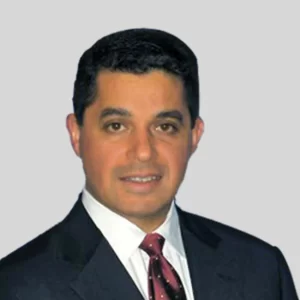
Joseph H. Ostad
Defective Drug Recalls Lawyer
Joseph H. Ostad, Esquire, has been in the practice of law for the past twenty (20) years graduating from the University of Maryland, College Park with a BA, and subsequently receiving his MA from the University of Maryland. While completing his Master’s Degree at the University of Maryland, Mr. Ostad also concentrated on legal studies where he received a scholarship to attend St. Louis University School of Law in St. Louis, Missouri.
While there, Mr. Ostad clerked for various law firms in the St. Louis Metropolitan area and also clerked for the District Court Judge at the United State’s District Court for Southern District of Illinois, where he drafted opinions on various motions and cases pending before the Court. Mr. Ostad has worked with various corporate and commercial clients along with individuals regarding injuries to victims of automobile accidents and victims of medical malpractice and protecting the needs and interests of individual victims.
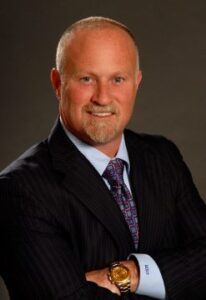
Michael B. Snyder
Defective Drug Recalls Lawyer
Michael B. Snyder prides himself on being a caring, compassionate, dedicated, and aggressive advocate on behalf of his clients. Mr. Snyder focuses his practice in catastrophic injury claims, birth injury claims, medical negligence and malpractice litigation, and general personal injury claims.
He also handles various commercial litigation matters on behalf of his clients, ranging from commercial fraud to business disputes. “Nothing brings me more satisfaction than obtaining the compensation and justice that my injured clients deserve. Knowing that we can help to make life a little easier brings me and my team enormous pride and satisfaction. We are proud to do what we do and are honored to be in a position of such reliance and trust for our clients.”
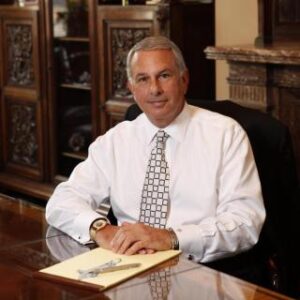
Jonathan Schochor
Defective Drug Recalls Lawyer
Jonathan Schochor is the Chairman and founding partner of Schochor, Staton, Goldberg and Cardea, PA, with a specialized focus on medical malpractice, sexual abuse and class action/mass tort law. With over 50 years of dedicated legal practice, Mr. Schochor has established himself as a leading advocate for victims of medical negligence, sexual abuse, and those injured through the negligence of others.
He completed his undergraduate degree at The Pennsylvania State University and went on to earn his Juris Doctor from the American University School of Law, where he served as the Associate Editor in Chief of the Law Review. Recognized for his expertise, he has lectured at the Johns Hopkins Hospital, the Johns Hopkins School of Medicine, Medstar, and other medical institutions and groups. He also frequently appears as a guest expert on law, medicine, tort reform and other subjects across radio, television, and print platforms. He additionally has testified before the Maryland Legislature on issues involving medical malpractice and tort reform.
Eric T. Kirk
Defective Drug Recalls Lawyer
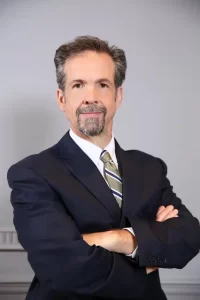
Not long after receiving his law degree in New York from the oldest independent law school in America in the early 90s, Mr. Kirk began waging legal warfare against the nation’s largest insurance companies to recover compensation wrongfully withheld from his clients.
He’d additionally authored several volumes detailing the 4th, 5th, and 6th Amendment rights of those facing criminal prosecution. Since then, he’s handled thousands of cases in Maryland, New York, and Florida and tried hundreds of cases in various courtrooms throughout Maryland. He has secured millions of dollars in compensation which had been denied or delayed to those in search of a financial award for personal injury. He’s been lead defense counsel in hundreds of criminal prosecutions, guaranteeing, and vindicating the rights of those accused of crime. Mr. Kirk routinely publishes articles and commentary on personal injury and criminal defense topics.
Randolph Rice
Defective Drug Recalls Lawyer
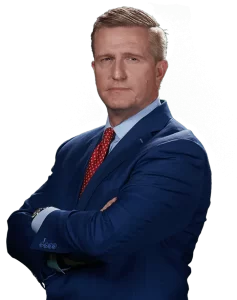
Randolph Rice is the managing partner at Rice Law. He is a former prosecutor and National TV legal analyst whose insights are highly sought after. He regularly appears on major news outlets, including Fox News, CNN, and Court TV. Mr. Rice brings over eighteen years of legal experience in criminal defense, personal injury, and civil litigation.
As a former Assistant State’s Attorney, Mr. Rice successfully tried thousands of cases in Maryland courts, earning a reputation for his strategic approach and dedication to his clients. His commitment to justice matches his deep local roots and community involvement.
He earned his law degree from Loyola University College of Law in New Orleans, and he also spent a year of instruction at the University of Maryland Francis King Carey School of Law.
Mr. Rice’s hybrid legal education reflects his resourcefulness and diversification of skills. As Mr. Rice entered his final year of law school at Loyola, Hurricane Katrina was bearing down on the Gulf Coast. Katrina’s widespread flooding and storm damage made the law school and Mr. Rice’s home in New Orleans uninhabitable.
Mr. Rice tapped into his love of Maryland and ties to the state and focused on completing his legal education at the University of Maryland School of Law.

Donald S. Saiontz, Esq.
Defective Drug Recalls Lawyer
Donald Saiontz pioneered the way for lawyer advertising, with Saiontz & Kirk, P.A. being among the first law firms in the United States to advertise on television. Through free consultations and the first 24 hour injury hotline, individuals who previously had limited access to attorneys were able to speak with a lawyer and understand their legal rights after an accident or injury without the payment of any up-front costs.
All three of Donald’s sons, Eric, Carl and Ryan Saiontz, are now partners with him at the firm, working with him to build Saiontz & Kirk, P.A. from a Baltimore accident law firm to a nationally known practice that investigates a wide-variety of legal matters throughout the United States.


What happens when something is recalled?
When a product is recalled, it sets off a highly organized process intended to protect consumers from harm and minimize further risk. The recall process is a blend of regulatory requirements, internal company protocols, and rapid, transparent communication. Below is a comprehensive explanation of what happens when something is recalled, detailing each stage from problem discovery to resolution—and the implications for everyone involved.
The Initial Trigger: How Recalls Begin
A product recall typically begins when a defect, safety issue, or non-compliance with regulatory standards is discovered. This might come to light through several channels:
Customer complaints or injury reports
Internal quality checks or market surveillance
Alerts from retailers, distributors, or regulatory authorities
Once a problem is flagged, the company must investigate the incident thoroughly. This involves collecting information about what went wrong, assessing the severity of the defect, and determining how widespread the problem is across batches, lots, or serial numbers.
Risk Assessment and Decision-Making
After gathering evidence, risk is formally assessed. The company will evaluate:
The nature and scale of the hazard (injury, contamination, malfunction, etc.)
Potential impact on users
Whether regulatory thresholds for recall have been met
Only after this risk assessment—and often in consultation with specialists or legal counsel—does the company decide whether a voluntary recall is necessary, or whether corrective action short of a recall is sufficient. In some industries, such as pharmaceuticals and medical devices, a recall decision may be mandated by authorities like the FDA or CDSCO.
Stakeholder Notification and Regulatory Compliance
When a recall is decided, regulatory agencies must be notified promptly. This may be the US Consumer Product Safety Commission (CPSC), FDA, CDSCO, or equivalent agencies in other countries, depending upon the industry and product type.
Key steps include:
Prepare a formal recall notice, describing the product, batches affected, nature of defect, and recommended consumer actions.
Notify all supply chain participants (distributors, retailers, importers) through the fastest and most effective means—email, phone, fax, and sometimes direct mail.
Regulators often review and approve communication strategies, may classify the recall by risk level, and expect regular progress reports.
In many cases, companies must immediately stop sales and production of the defective product, isolate remaining inventory, and ensure that no more products reach consumers.
Public Communication and Recall Implementation
A critical element is rapid public communication. The public and all affected customers must be informed through:
Press releases
Company and regulatory websites
Notices at the point of sale or online listings
Direct communications (letters, emails, or even phone calls) to customers
The recall notice should clearly state:
Which products are affected (serial numbers, batch codes, etc.)
The nature of the risk
Specific actions customers should take—whether to return the product, stop using it, seek a repair, or dispose of it
How compensation or replacements will be handled
Companies must also maintain channels for consumer response: hotlines, websites, or dedicated contact emails, as outlined in the FDA guidance for medical devices.
Execution: Removal, Correction, and Consumer Remedies
Upon notification:
Distributors and retailers will remove affected products from shelves, cease sales, and return the items to the manufacturer or distributor warehouse for safe disposal, repair, or storage.
Consumers are typically instructed to return the product for a refund or replacement, or to bring it for repair/modification. Sometimes, safe disposal is required.
Compensation methods can include refunds, replacement products, free repairs, or other remedies as appropriate.
Each returned item is tracked for accountability, and every recovery is logged. The company must ensure that all potentially dangerous products are retrieved, and document exactly how many have been returned and what actions were taken with them.
Monitoring, Adjustment, and Closure
During a recall, companies must monitor the effectiveness of their actions. Standard practices include:
Tracking return rates versus distributed quantities
Following up with distributors/retailers who haven’t responded
Adjusting their outreach, expanding the recall if new risks emerge