
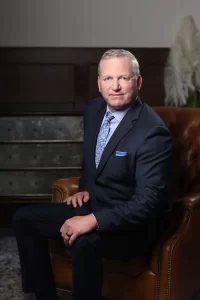

Ron Netemeyer
Defective Drug Recalls Lawyer
Ron Netemeyer handles wrongful death cases, as well as serious injury cases in a variety of areas including products liability, railroad crossing accidents, automotive negligence, tractor-trailer accidents, nursing home litigation and medical malpractice. Throughout his legal career, Ron has protected the rights of individuals injured by the fault of others. As lead counsel, Ron has obtained a long list of favorable results on behalf of injured people and their families, including multiple million dollar verdicts and settlements personal injury law.
Ron is a member of the Million Dollar Advocates forum and has had many of his cases featured in Missouri Lawyer’s Weekly, including Top 20 Settlements for the State of Missouri. Serving on the Civil Law and Torte Law Committees of the Missouri Bar, and as a member of the Missouri Association of Trial Attorneys (MATA) and the Boone County Bar Association, he works to ensure that the rights of hard working Missouri Citizens are protected against the powerful big business interests of insurance companies.
Mark R. Niemeyer
Defective Drug Recalls Lawyer
In 2009 and continuing to present, Mark was asked to serve as national Co-Lead counsel over the Yaz/Yasmin Multi-District Litigation pending in the US District Court for the Southern District of Illinois. Mark oversees the litigation involving thousands of young women who have been seriously injured, including strokes, pulmonary emboli, DVT and gall bladder removal, by the oral contraceptive manufactured by Bayer.
In 2012 and continuing to present, Mark was asked to serve as national Co-Liaison counsel over the Pradaxa Multi-District Litigation pending in the US District Court for the Southern District of Illinois. Mark oversees the litigation involving thousands of older men and women who have been seriously injured, including gastrointestinal and intracranial bleeding events, by the anticoagulant manufactured by Boehringer Ingelheim.
Mark currently lives in St. Louis, Missouri; his three children are now at various stages of their education or careers, in fashion, fitness, and medicine.

Kim Benjamin
Defective Drug Recalls Lawyer
Kim Benjamin started her career as a lawyer because she loved helping people. At the time, she did not have a clue that the criminal justice system was not fair to everyone and that innocent people were actually arrested and in prison. She quickly learned the truth as a public defender in Kansas City, Missouri, where she came to be known as a zealous fighter for her clients in and out of the courtroom.
Kim is known among her peers as an expert DWI and criminal defense lawyer and a spectacular trial lawyer who obtains unbelievable results for her clients. She has a passion for her work that emanates from her when she is in her element. She even assisted a civil law firm in suing a large corporation on behalf of an employee who was unlawfully discriminated against, helping them obtain the largest verdict in an employment discrimination case in Cass County. Because she loves helping people who are facing Goliaths like the government and corporations, she will continue to help other law firms in obtaining great verdicts in a jury trial.
Her desire to help more and more people caused Kim to find some of the best trial lawyers in Kansas City who shared her passion for defending the accused. She founded the Benjamin Law Firm, LLC at the Benjamin Law Firm so she could build a team of lawyers and legal assistants who focus on being the best at criminal and DWI defense. With that goal in mind Kim decided that her law firm would be the only one in Kansas City where the lawyers are all trained in the Trial Lawyers College, originally founded by renowned trial lawyer Gerry Spence (TLC) methods. Kim attended TLC as a young lawyer in 2000, and joined the faculty at TLC in 2008, where she regularly teaches other lawyers how to win trials.
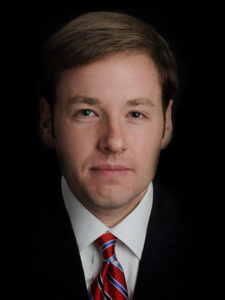
Jeremy A. Gogel
Defective Drug Recalls Lawyer
Jeremy A. Gogel was born in St. Louis, Missouri, and stayed close to home when pursuing the education that would ultimately allow him to help those who are injured by another person or party’s negligence.
Jeremy graduated from the University of Missouri-Columbia with both a BSBA in Finance, Banking, and Economics, and a Master of Business Administration before completing his Juris Doctorate from the University of Missouri-Columbia School of Law.
Before starting his own firm where he works to protect the rights of injured people throughout the state of Missouri, Jeremy worked in small and medium size law firms focusing primarily on professional liability defense for attorneys, medical professionals, and other fiduciaries, as well as working on insurance coverage and bad faith analysis and litigation, along with other complex legal areas.
In his spare time, Jeremy contributes important articles and gives presentations throughout the legal community to share the importance of standing up for his Missouri residents, including authoring Remedies (And Lack Thereof) for Victims of Abusive Debt Collection Practices, The Next Step Series: Debtors’ Rights, and Calculating Medical Damages in Injury Settlements Post Affordable Care Act.
Jeremy is available for free consultations to help construct the necessary legal solutions each of his client’s needs to move forward with confidence and put their injuries behind them.
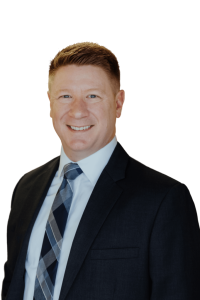
Matthew Russell
Defective Drug Recalls Lawyer
Growing up in southwest Missouri, Matthew Russell witnessed first-hand that sometimes people just need a little help.
Accidents would happen, mistakes would be made, and lives would change.
He studied political science and government at Missouri State University before attending Creighton University School of Law in Omaha, Neb. While he was at Creighton, Matthew won several awards for trial advocacy.
After graduating from law school, Matthew returned to southwest Missouri. He began working at the Greene County Prosecutor’s Office in Springfield. Working in the major crimes division he tried many felony cases.
Over his decade there, Matthew prosecuted every kind of crime under Missouri law. He saw in the people he was standing against in court the people he knew growing up, his family and neighbors. They were in desperate need of help. Matthew decided the best way he could provide that help was by becoming a criminal defense attorney.
And so, he established MRD Lawyers. Matthew gathered a group of former prosecutors with a combined 30 years of experience. The firm committed itself to ensuring the legal system works for their clients.
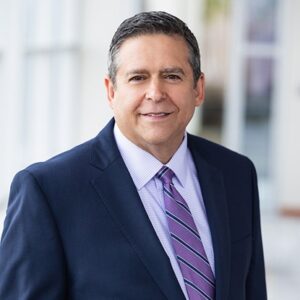
Mark Hammer
Defective Drug Recalls Lawyer
As a founding lawyer of The Hammer Law Firm, LLC, Mark A. Hammer has built a practice that focuses exclusively on criminal defense and the client. Additionally, he draws from extensive experience and insight gained as a former prosecutor to handle each case as effectively and intelligently as possible. As a result of his talent, experience, and commitment to making a real difference in the lives of clients and their loved ones, Mark has been successful in hundreds of criminal trials at both the state and federal levels.
Mark earned his B.S. and law degree from the University of Iowa, Iowa City before spending over 13 years as an assistant prosecuting attorney in Washington and Minnesota. This experience enabled Mark to effectively gauge the other side’s actions and intentions when representing defendants and provided him with the insight he leverages in each case our firm handles.
A committed member of the community, Mark has dedicated time to pro bono representation and has volunteered for the ALS Association. He has also taught legal classes and seminars on trial advocacy and trial practice in several schools of higher education.
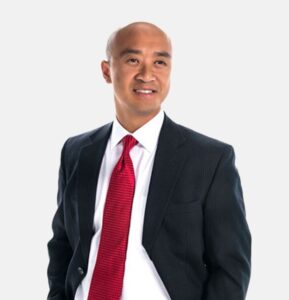
Gene S. Hou
Defective Drug Recalls Lawyer
Mr. Hou has successfully handled various types of complex personal injury cases throughout the State of Missouri. He has extensive experience at every level of the litigation process: from the insurance claim stage, to filing suit, to arguing complex motions, to winning at trial and at the appellate level. Mr. Hou brings an unrivaled command of personal injury practice and a high level of expertise and experience in litigation and trial work.


What Does It Mean to Recall a Patient?
In modern healthcare, the concept of “recalling a patient” is central to both patient safety and the ongoing management of health conditions. Despite its routine use in clinical practice, the term can be misunderstood by patients and even by some healthcare professionals. This article explores what it means to recall a patient, why it is done, and how the process is structured to protect both patients and the integrity of healthcare systems.
Defining Patient Recall
Patient recall is the process by which a healthcare provider—such as a hospital, clinic, or general practitioner—contacts a patient who has previously received care and requests that they return for further evaluation, treatment, or follow-up. This can be for a variety of reasons, ranging from routine check-ups to addressing potential issues with previous care or treatments.
The recall process is not simply a reminder for a future appointment; it is a proactive step taken when there is a clinical or administrative need for the patient to be re-examined or re-assessed. The goal is to ensure patient safety, provide continuity of care, and address any concerns that may have arisen since the patient’s last interaction with the healthcare system.
Why Are Patients Recalled?
Patients may be recalled for several reasons, including:
Follow-up on test results: If new or significant findings emerge from laboratory or imaging tests, a recall ensures the patient receives timely advice or intervention.
Concerns about previous care: If a particular treatment, surgery, or the actions of a healthcare professional are later found to have fallen below the expected standard, patients may be recalled to review their care and address any potential harm.
Routine preventive care: Recalls are used to ensure patients attend regular health checks, immunizations, or screenings, which are vital for early detection and management of chronic diseases.
Medication or device safety: If a prescribed medication or medical device is later found to have safety issues, affected patients are recalled for assessment and possible changes to their treatment.
The Patient Recall Process
A well-structured recall process is essential for effective patient management and safety. The National Patient Recall Framework outlines several key steps and guiding principles for conducting a recall:
1. Patient-Centered Approach
Patient safety is the main priority.
The process must be compassionate, transparent, and focused on the needs and rights of the patient.
Patients should be fully informed about the reasons for recall and given the opportunity to ask questions and share their experiences.
2. Communication
Patients are notified by phone, SMS, email, or letter, explaining the reason for the recall and the steps they need to take.
The patient’s general practitioner (GP) and, where appropriate, family or carers are kept informed.
Frequent communication is maintained throughout the process, with a named contact available for queries.
3. Clinical Review and Support
Patients may be offered an independent review of their previous treatment.
Individualized care plans are developed based on the findings of the review.
Emotional and psychological support is provided where necessary, recognizing that recalls can be stressful for patients.
4. Documentation and Audit
All steps in the recall process are documented in the patient’s medical record.
An audit trail is maintained to ensure transparency and accountability.
5. Resource Management
Adequate staff and financial resources are allocated to manage the recall efficiently.
Staff involved in the recall are trained and supported, as the process can also be challenging for healthcare teams.
Legal and Ethical Considerations
Healthcare providers have a duty of care to recall patients when necessary. This is not only a best practice but, in many jurisdictions, a legal requirement. For example, the statutory ‘Duty of Candour’ in the UK requires providers to be open and honest with patients when things go wrong, including when a recall is necessary.
Patients must be treated fairly and with respect throughout the recall process, and their autonomy should be respected. If a patient chooses not to participate in the recall, they should be provided with contact details should they change their mind later.
Impact of Patient Recall on Healthcare Quality
A robust patient recall system is a cornerstone of quality healthcare. It ensures that:
Patients receive timely and appropriate care, reducing the risk of harm.
Healthcare providers meet regulatory and quality standards, which can affect accreditation and funding.
Continuity of care is maintained, improving patient outcomes and satisfaction.
In value-based care models, effective recall systems are directly linked to better performance metrics and financial incentives for providers.
Conclusion
Recalling a patient is a critical, structured process aimed at safeguarding health, correcting possible oversights, and maintaining high standards of care. It is more than an administrative task—it is a patient-centered, clinically driven process that reflects a healthcare provider’s commitment to safety, transparency, and continuous improvement. By understanding and respecting the recall process, both patients and providers can work together to ensure the best possible health outcomes.