

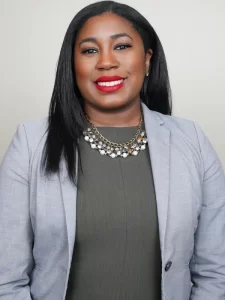

S. Diane Clair Esq
Will attorney
Attorney S. Diane Clair is an Atlanta native that knows the metro area and its legal systems well. She has been practicing law for 10 year. She received her Bachelors degree from Georgia State University and her Juris Doctor degree from Florida A&M University College of Law.
Diane Clair has court room and trial experience and is also great at negotiating resolutions outside the courtroom. She is admitted to practice law as a member of the Georgia Bar as well as the Georgia Court of Appeals, United States District Court of the Northern District of Georgia and Middle District of Georgia. Attorney Clair is also a Professor in the Paralegal Program for Kennesaw State University.
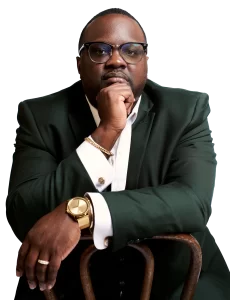
Khalil Eaddy, Esq.
Will attorney
A native of Jersey City, New Jersey, Mr. Eaddy earned his Bachelor’s degree in Criminal Justice and Spanish from Grambling State University before obtaining his Juris Doctor from North Carolina Central University School of Law. During law school, he distinguished himself as a leader, serving on the Trial Advocacy Board, Moot Court Board, and The Death Penalty Project, while also holding the position of Treasurer of the Student Bar Association.
Mr. Eaddy’s courtroom experience began early under the Third-Year Practice Rule, allowing him to handle cases in the Juvenile Defense Clinic during his final year of law school. Within six months, he had already tried over 25 juvenile bench trials. Just three months into private practice, he was selected by two nationally recognized criminal trial attorneys in South Carolina to assist in the defense of a high-profile capital punishment case. Since then, he has built a reputation as a strategic and passionate litigator, committed to securing the best possible outcomes for his clients.
Before establishing his own firm, Mr. Eaddy gained invaluable experience working for some of the nation’s top law firms. Most notably, he served as Senior Associate Attorney at Robert James Trial Attorneys in Atlanta, Georgia.
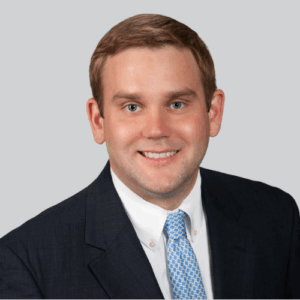
Kent Bailey
Will attorney
Kent Bailey is a dedicated and results-driven attorney with 8 years of experience providing comprehensive legal counsel to businesses and individuals. He is committed to delivering personalized and effective legal solutions to his clients across a variety of legal topics.
His practice focuses on Business, Real Estate, and Construction law with litigation a primary focus. Kent also serves as In-House Counsel to numerous small businesses across Atlanta handling a wide variety of legal tasks from Corporate formation and Contract/Vendor management, to collections and shareholder disputes. With his primary practice area presenting a need for service, Kent has also recently expanded his practice into probate and probate litigation.
Having spent a number of years professionally outside of the legal industry, Kent understands the unique needs and challenges of the individuals and businesses he serves, and prides himself meeting his clients where they are, by providing responsive and client-focused service, offering practical and strategic legal advice, and building long-term relationships with his clients.

Stephen Scriber
Will attorney
Stephen Scriber, a graduate of Duke University School of Law, has been a wills, trusts, and estate planning practitioner since 2011. He started Modern Estate Planning to help people celebrate their lives and protect their legacy.
He believes in serving his clients’ needs with commitment, integrity, and honesty. He is actively involved with furthering legal rights of the LGBTQIA community having served as President of the Stonewall Bar Association of Georgia and is a member of the Lambda Legal Atlanta Leadership Committee.
In his free time, he annoys his husband, builds computers, plays with his cats and dogs, and watches the Atlanta Falcons blow leads. Stephen is also an Atlanta United season-ticket holder, and never misses a game.

Sarah E. Siedentopf, Esq.
Will attorney
Sarah Siedentopf is an estate planning and probate attorney who’s busting the myth that estate planning is only for wealthy individuals and families. The reality is that wills, trusts, probate, and end-of-life planning are practical and essential. This is why it helps to have a seasoned estate planning attorney like Sarah on your side.
Sarah prioritizes strategic planning for individuals, families, businesses, and beyond making it her mission to simplify trusts, wills, and everything estate planning for today’s modern household.
She is particularly passionate about helping clients navigate complicated, emotional issues to make the process as easy and stress-free as possible.
Sarah earned her law degree from the University of Tennessee College of Law, practicing in northern Virginia before opening her Atlanta-based estate planning law firm, Siedentopf Law. She is licensed to practice law in both Georgia and Tennessee.

Kristen Rajagopa
Will attorney
Bequest is a flat fee Intown Atlanta law firm run by Kristen Rajagopal. Kristen, who is originally from a Kentucky suburb of Cincinnati, graduated magna cum laude and with honors from Brown University. She received her law degree from the University of Southern California Law School, which is consistently ranked among the top law schools in the country.
Kristen has been an attorney for over 15 years and has practiced law at a number of prominent law firms in Atlanta and in the San Francisco Bay Area. She has been recognized as a Super Lawyer, and previously, as a Super Lawyers Rising Star. She has served on the Board of Estate Planning and Probate Section of the Atlanta Bar Association and on a number of Atlanta non-profit Boards. When Kristen is not running Bequest, she enjoys traveling with her husband, reading novels, and chasing around her two sons.

Brian M. Douglas
Will attorney
“One of the main reasons I established my own practice was to have the freedom to cover more than one area of the law,” explains Brian. “My interests and areas of expertise are diverse, and that’s reflected in the extensive range of clients we serve.” The philosophy on which Brian Douglas founded his law firm, Brian M. Douglas & Associates, LLC in 2003, is client centered. “When a client comes to us, that client has a specific need, an issue that’s important to the client and needs resolution. Our clients deserve our full, personalized attention throughout the matter to completion,” he says.


Understanding Which Agency Is Responsible for Drug Recalls
Drug recalls are an essential part of ensuring public safety when pharmaceutical products are found to be defective, contaminated, or otherwise unsafe. When a drug poses a health risk, it must be removed from the market promptly to prevent harm to consumers. But who exactly is responsible for overseeing and managing these drug recalls? The answer varies by country, but in many places, government regulatory agencies play a crucial role in supervising the recall process. This article explores the agencies responsible for drug recalls, focusing primarily on the United States and India, two countries with large pharmaceutical markets and robust regulatory frameworks.
The Role of Drug Recalls in Public Health
Before diving into the responsible agencies, it’s important to understand why drug recalls happen. A recall is an action taken to remove a drug product from the market or correct it when it is found to be defective or potentially harmful. Reasons for recalls include contamination, incorrect labeling, potency issues, adverse side effects, or manufacturing defects.
Drug recalls are vital because they protect consumers from exposure to unsafe medications and maintain trust in the pharmaceutical supply chain. However, the recall process is complex and requires oversight to ensure that it is conducted efficiently and thoroughly.
The United States: The Food and Drug Administration (FDA)
In the United States, the Food and Drug Administration (FDA) is the principal federal agency responsible for overseeing drug recalls. The FDA’s mission is to protect public health by ensuring that drugs are safe and effective. While the FDA does not usually initiate recalls directly, it plays a critical supervisory and regulatory role.
How Drug Recalls Are Initiated in the U.S.
There are three main ways a drug recall can be initiated:
Voluntary Recalls by Manufacturers or Distributors:
Most drug recalls in the U.S. are voluntary. When a manufacturer or distributor discovers that a drug product violates safety standards or regulatory requirements, they typically initiate a recall themselves. This could be due to contamination, mislabeling, or other quality issues that might pose a risk to patients.FDA-Requested Recalls:
If the FDA detects a problem through inspections, adverse event reports, or other surveillance mechanisms, it can request that a company recall a product. While the FDA cannot force a recall, companies generally comply with these requests to avoid regulatory penalties and protect their reputation.Mandatory Recalls (Rare):
Unlike some other product categories like medical devices or food, the FDA’s authority to mandate drug recalls is limited. Mandatory recalls for drugs are very rare and usually require specific legal authority or court orders. Most recalls remain voluntary but under FDA supervision.
FDA’s Oversight and Classification of Recalls
Once a recall is initiated, the FDA oversees the process to ensure it is effective. This includes:
Evaluating Recall Strategy: The FDA reviews the company’s plan for notifying distributors, pharmacies, and consumers to ensure the recall reaches all affected parties.
Classifying Recalls: The FDA classifies recalls into three categories based on the level of risk:
Class I: The most serious recalls, where there is a reasonable probability that the product will cause serious health problems or death.
Class II: Recalls where the product may cause temporary or medically reversible adverse health consequences.
Class III: Recalls where the product is unlikely to cause adverse health consequences but violates regulations.
Public Notification: The FDA may issue public warnings or press releases, especially for Class I recalls, to alert consumers and healthcare providers.
Manufacturer Responsibilities
The manufacturer or distributor is responsible for executing the recall. This includes:
Notifying all customers and distributors who may have received the recalled product.
Removing the product from the supply chain.
Reporting the progress of the recall to the FDA.
Taking corrective actions to prevent future issues.
The FDA monitors these activities and can take enforcement action if the recall is inadequate.
India: The Central Drugs Standard Control Organization (CDSCO) and State Licensing Authorities
In India, the regulatory framework for drug recalls is managed by the Central Drugs Standard Control Organization (CDSCO), which functions under the Ministry of Health and Family Welfare. Additionally, State Licensing Authorities (SLAs) play an important role at the regional level.
The Recall Process in India
Authority to Order Recalls: CDSCO and SLAs have statutory authority to order the recall of drugs that do not meet quality standards or pose health risks. This authority is derived from the Drugs and Cosmetics Act, 1940, and related rules.
Manufacturer’s Role: Similar to the U.S., the manufacturer is responsible for initiating the recall once notified or ordered by the regulatory authority. They must communicate with distributors, stockists, and retailers to remove the affected drug from circulation.
Coordination: CDSCO’s zonal offices coordinate with SLAs to ensure that recalls are implemented effectively across different states and regions.
Public Safety: If a drug is found to be harmful, CDSCO can mandate its removal from the market and issue public advisories to inform healthcare providers and consumers.
Challenges and Improvements
India’s recall system has faced challenges such as inconsistent enforcement and delayed public notification. However, recent regulatory reforms and increased vigilance by CDSCO have improved the recall process, aligning it more closely with international standards.
Other Countries and International Perspective
Globally, most countries have a designated regulatory authority responsible for drug recalls:
European Union: The European Medicines Agency (EMA) oversees drug safety, but recalls are typically managed by national regulatory authorities within member states.
Canada: Health Canada is responsible for drug recalls and safety monitoring.
Australia: The Therapeutic Goods Administration (TGA) manages drug recalls.
These agencies generally follow similar principles—monitoring drug safety, working with manufacturers, and protecting public health through recalls.
Conclusion
Drug recalls are a critical mechanism to protect public health from unsafe or defective medications. While the manufacturer usually initiates a recall, government agencies provide essential oversight, guidance, and enforcement to ensure recalls are effective and timely.
In the United States, the FDA plays a central role in supervising drug recalls, classifying their risk, and communicating with the public. In India, the CDSCO and State Licensing Authorities are responsible for ordering and overseeing recalls to maintain drug safety.
Understanding the roles and responsibilities of these agencies helps consumers, healthcare professionals, and manufacturers appreciate the complexity and importance of the drug recall process. Ultimately, these regulatory bodies work to ensure that medicines on the market are safe, effective, and trustworthy, thereby safeguarding public health worldwide.